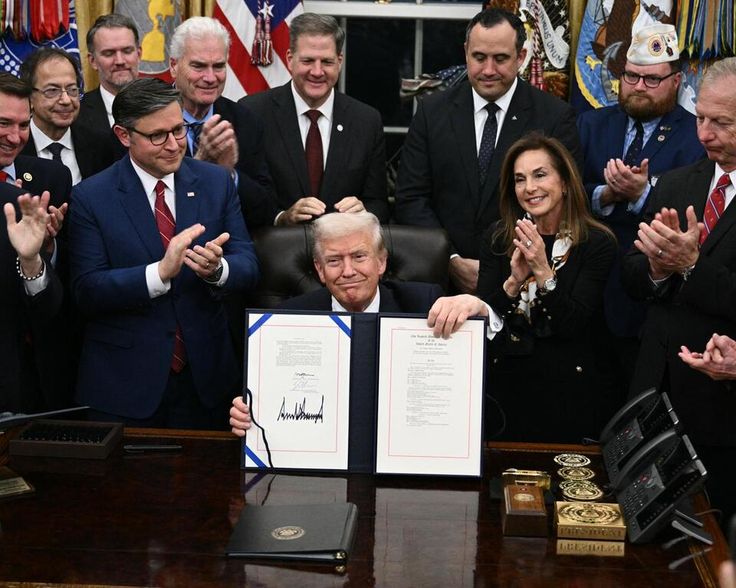
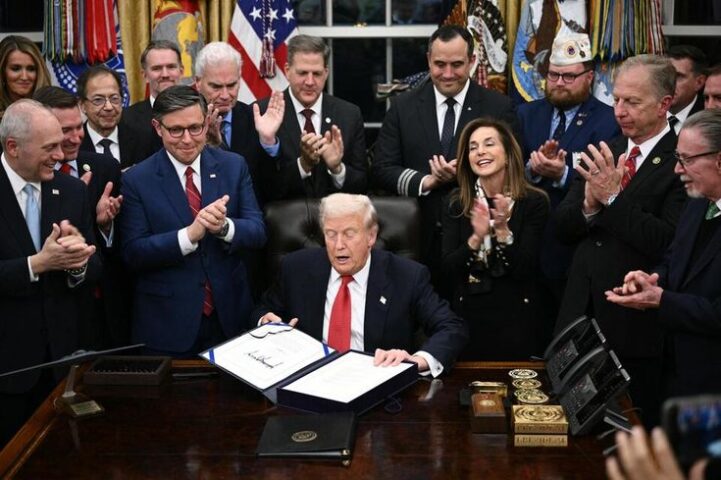
The US House funding package has been approved following a razor-thin vote, officially bringing an end to the partial federal government shutdown that began last weekend. The legislation passed the House of Representatives by a 217–214 margin, underscoring deep political divisions as lawmakers raced to prevent prolonged disruption across federal agencies.
The bill secures funding for most government departments through September, offering temporary stability while deferring contentious debates that continue to divide Congress. However, funding for the Department of Homeland Security (DHS) was only extended until February 13, setting the stage for another political showdown focused on immigration enforcement and border security.
Narrow Vote Highlights Political Divisions
The close vote reflects the increasingly polarized state of US politics, with lawmakers split largely along party lines. Supporters of the US House funding package argued that passing the bill was necessary to avoid further economic uncertainty and disruptions to essential government services.
Opponents criticized the short-term nature of the deal, warning that it merely postpones major policy decisions rather than resolving them. Several lawmakers expressed frustration that DHS funding was not secured through the same timeline as other agencies, calling it a “manufactured crisis” likely to resurface within weeks.
What the Funding Package Covers
Under the approved measure, most federal departments and agencies will remain funded through the end of the fiscal year in September. This ensures continued operations for areas such as transportation, education, healthcare oversight, and environmental regulation.
However, DHS funding was deliberately separated due to disagreements over immigration enforcement reforms, border security measures, and asylum policies. By extending DHS funding only until mid-February, Congress left open a narrow window for renewed negotiations — or another shutdown threat — if no agreement is reached.
Immigration Debate Looms Ahead
The short-term extension for DHS has already intensified debate in Washington. Immigration remains one of the most contentious issues in American politics, with lawmakers divided over border security funding, deportation authority, and asylum processing reforms.
Political analysts warn that the upcoming deadline could trigger another standoff if negotiations fail. Some lawmakers have indicated they will push for stricter enforcement measures, while others insist that humanitarian protections must remain intact.
The funding structure effectively guarantees that immigration will dominate congressional debate in the coming weeks.
Economic and Government Impact of the Shutdown
Although the shutdown lasted only a short time, federal agencies experienced delays, furloughs, and disruptions that raised concerns among workers and the public. Economists caution that repeated shutdown threats can weaken public confidence, disrupt financial markets, and strain essential services.
Federal employee unions welcomed the passage of the US House funding package but urged lawmakers to pursue longer-term solutions that prevent recurring shutdown cycles.
Political Fallout and Public Reaction
Public reaction to the shutdown and its resolution has been mixed. While many Americans expressed relief that government services were restored quickly, frustration remains high over what critics describe as “manufactured crises” driven by partisan conflict.
Polling in recent years has consistently shown that voters across party lines disapprove of shutdown tactics, viewing them as a failure of leadership rather than an effective negotiating tool.
The narrow passage of the US House funding package is likely to feature prominently in upcoming political debates, particularly as lawmakers prepare for election season messaging.
What Happens Next in Congress
Attention now turns to negotiations ahead of the February 13 deadline for DHS funding. Congressional leaders from both parties have signaled that talks will resume immediately, though few expect an easy compromise.
Observers warn that without a broader agreement on immigration policy, the risk of another funding standoff remains high. Some lawmakers have already hinted that they are willing to use funding deadlines as leverage, raising concerns about renewed instability.
The coming weeks will test whether Congress can move beyond short-term solutions and address the structural issues driving repeated shutdown threats.
This report is part of Ambuzzway Politics coverage, tracking key developments in US governance and congressional decision-making. Details in this article are based on reporting by CBS News, which closely followed the House vote and funding negotiations.