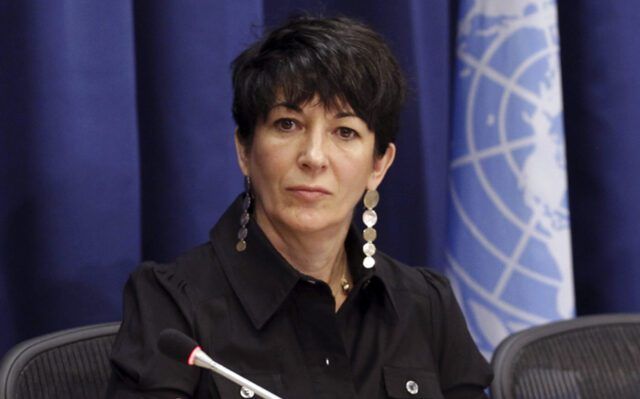
The Ghislaine Maxwell congressional hearing held on Monday marked a significant moment in the long-running investigation into the crimes of convicted sex trafficker Jeffrey Epstein. Maxwell, Epstein’s former associate and partner, appeared virtually before the US House Oversight Committee from a federal prison in Texas, where she is serving a 20-year sentence for sex trafficking offenses.
Lawmakers had hoped the hearing would shed new light on Epstein’s network, including potential co-conspirators and powerful individuals allegedly connected to the trafficking operation. Instead, the hearing ended in frustration as Maxwell refused to answer any substantive questions.
The closed-door deposition came amid renewed public scrutiny following the US Department of Justice’s release of millions of pages of Epstein-related documents, fueling demands for transparency and accountability.
Maxwell Invokes the Fifth Amendment
At the center of the Ghislaine Maxwell congressional hearing was her decision to invoke the Fifth Amendment repeatedly, refusing to respond to lawmakers’ questions to avoid self-incrimination.
House Oversight Committee Chairman James Comer stated that the outcome was “as expected” but still deeply disappointing. He emphasized that the committee intended to question Maxwell not only about Epstein’s crimes but also about individuals who may have aided or enabled the trafficking operation.
Maxwell’s legal team argued that her silence was justified, citing ongoing legal considerations and her pursuit of clemency. However, critics noted that Maxwell had previously spoken to federal officials without invoking the Fifth Amendment on similar topics, raising questions about the timing and intent of her refusal.
Lawmakers React to Her Silence
Reaction from lawmakers across party lines was swift. Chairman Comer said the refusal to testify undermined efforts to deliver justice for survivors and transparency for the American public.
Democratic Representative Melanie Stansbury accused Maxwell of using the Ghislaine Maxwell congressional hearing as a platform to indirectly lobby for clemency rather than cooperate with investigators. She described the appearance as an attempt to manipulate public and political pressure.
Representative Ro Khanna highlighted inconsistencies in Maxwell’s conduct, pointing out that she previously claimed knowledge of multiple co-conspirators in court filings but declined to discuss them under oath during the hearing.
Survivors Condemn the Hearing Outcome
Epstein survivors expressed outrage and disappointment following the Ghislaine Maxwell congressional hearing, warning lawmakers to treat any future statements from Maxwell with skepticism.
In a letter submitted ahead of the deposition, survivor advocacy groups criticized Maxwell for years of non-cooperation and refusal to identify powerful individuals involved in Epstein’s trafficking ring. They warned that granting her credibility or special treatment would be “catastrophic” for survivors seeking justice.
Survivors also emphasized that Maxwell’s silence perpetuates a system in which influential figures escape accountability while victims continue to bear the emotional and psychological consequences of the abuse.
Clemency Claims and Political Controversy
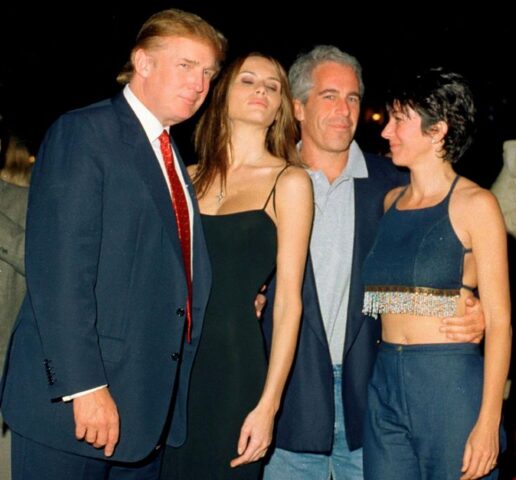
Adding another layer of controversy to the Ghislaine Maxwell congressional hearing were claims from Maxwell’s legal team that she would testify fully if granted clemency by President Donald Trump.
Her lawyer publicly stated that Maxwell was prepared to provide a “complete account” if pardoned, a statement that drew sharp criticism from lawmakers and advocacy groups alike. The White House has repeatedly denied that any leniency or pardon discussions are underway.
President Trump has also denied any wrongdoing related to Epstein, stating he severed ties with the financier decades ago. No formal allegations have been made against him by Epstein’s victims.
Epstein Files and Unreleased Evidence
The hearing coincided with the release of nearly three million pages of Epstein investigation files following congressional approval of a transparency law. Members of Congress have been granted access to un-redacted versions of the documents at the Department of Justice.
Chairman Comer welcomed the release, calling it a critical step toward uncovering the truth. However, survivor groups continue to demand full public disclosure, arguing that excessive redactions protect influential individuals at the expense of justice.
Former Deputy Attorney General Todd Blanche, who previously met with Maxwell, has rejected claims of a hidden “client list” or prosecutorial cover-up, stating that no such evidence exists.
What Happens Next in the Investigation
Despite the disappointing outcome of the Ghislaine Maxwell congressional hearing, lawmakers insist the investigation is far from over. The Oversight Committee plans to review the newly released Epstein files and pursue additional avenues to identify any uncharged individuals connected to the trafficking network.
Survivors and advocacy groups are calling for legislative reforms to strengthen protections against sex trafficking and prevent future failures in accountability.
While Maxwell remains silent behind bars, public pressure continues to mount for full transparency, making the Epstein case one of the most enduring and politically sensitive scandals in modern US history.

This article draws on reporting from BBC News, with additional context from statements by the US House Oversight Committee and survivor advocacy groups. Further coverage of related political developments can be found on Ambuzzway Politics, while legal and justice-related analysis is available through major international media outlets.