
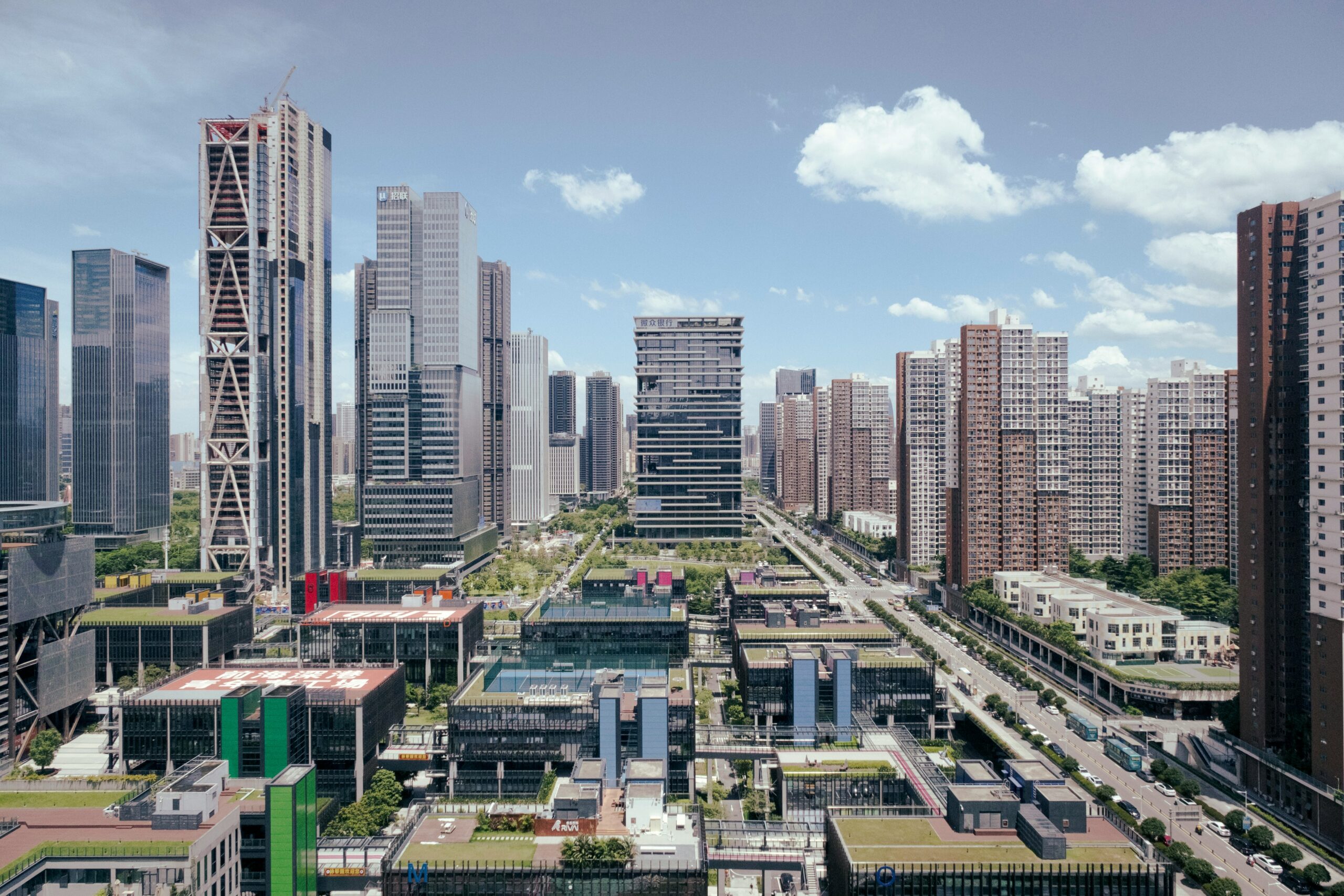
AI and future cities emerged as a defining theme at the World Government Summit, where global leaders, policymakers, technologists, and media organizations gathered to discuss how artificial intelligence and innovation are reshaping urban development and societal growth. During high-level discussions, the India Today Group emphasized that AI-driven innovation is no longer a futuristic concept but a present-day necessity for building sustainable, resilient, and inclusive cities across the world.
As governments face rapid urbanization, climate challenges, and increasing pressure on infrastructure, experts at the summit agreed that AI and data-driven technologies will play a central role in redefining how cities function, grow, and serve their citizens. From smart mobility systems to predictive governance, AI is being positioned as the backbone of future urban strategies.
World Government Summit Focuses on Innovation-Driven Governance
The World Government Summit has long been a platform for discussing transformative ideas, but this year’s emphasis on AI and future cities reflected a growing global consensus: innovation must guide policy decisions in an increasingly complex world. Speakers highlighted how emerging technologies can help governments move from reactive governance to predictive and proactive models.
According to panelists, AI enables real-time decision-making by analyzing vast amounts of data generated by urban environments. Traffic flows, energy consumption, population growth, and public safety metrics can all be optimized through intelligent systems, allowing cities to respond faster and more efficiently to challenges.
The India Today Group’s participation underscored the importance of informed media in shaping public understanding of these innovations, ensuring that technological progress is communicated clearly to citizens and stakeholders alike.
AI and Future Cities as a Blueprint for Sustainable Urban Growth
A major theme running through summit discussions was sustainability. Experts repeatedly emphasized that AI and future cities are deeply interconnected when it comes to addressing climate change and resource management. Smart cities powered by AI can reduce emissions, optimize energy use, and improve waste management systems.
Urban planners at the summit explained how AI-enabled sensors and predictive analytics help cities monitor pollution levels, manage water resources, and plan green infrastructure more effectively. By using AI to forecast environmental risks, governments can implement preventive measures rather than responding after damage has occurred.
This approach aligns closely with global sustainability goals, positioning AI not just as a tool for efficiency, but as a key driver of long-term environmental responsibility.
Smart Infrastructure and Digital Transformation
Discussions also focused on how AI and future cities depend on robust digital infrastructure. Without reliable connectivity, data collection, and cybersecurity frameworks, AI-powered solutions cannot function effectively.
Summit speakers highlighted examples of cities using AI to manage transportation networks, reduce congestion, and enhance public transit systems. Intelligent traffic management platforms can analyze patterns in real time, adjusting signals and routes to minimize delays and fuel consumption.
In addition, AI-driven construction planning and building management systems are helping cities design smarter infrastructure from the ground up. These innovations reduce costs, improve safety, and extend the lifespan of urban assets.
Economic Growth and Innovation Ecosystems
Beyond infrastructure, the summit emphasized how AI and future cities contribute directly to economic growth. Innovation-driven urban centers attract global talent, startups, and investment, creating ecosystems where technology and entrepreneurship thrive.
The India Today Group highlighted how cities embracing AI are better positioned to compete in the global economy. By fostering innovation hubs, supporting research initiatives, and encouraging public-private partnerships, governments can create jobs and stimulate sustainable economic development.
Experts noted that AI adoption also boosts productivity across sectors such as healthcare, education, logistics, and finance, further strengthening urban economies.

Ethical AI and Inclusive City Development
While enthusiasm for AI was high, summit participants also stressed the importance of ethical frameworks. Discussions around AI and future cities included concerns about data privacy, algorithmic bias, and digital inequality.
Speakers emphasized that future cities must be inclusive, ensuring that technological benefits reach all segments of society. AI systems should be transparent, accountable, and designed with human-centric values in mind.
Policymakers discussed the need for regulations that balance innovation with responsibility, preventing misuse while encouraging experimentation. Ethical AI, they argued, is essential for maintaining public trust in smart city initiatives.
Role of Media and Public Awareness
The India Today Group’s presence at the summit highlighted the critical role of media in shaping conversations around AI and future cities. Accurate reporting and informed analysis help bridge the gap between complex technologies and public understanding.
Media organizations were encouraged to go beyond headlines, explaining how AI impacts daily life, governance, and long-term development. By doing so, they can help citizens engage more actively in discussions about urban innovation and policy decisions.
This emphasis on communication reflects a broader recognition that technology adoption is as much a social process as it is a technical one.
Global Collaboration for Future-Ready Cities
Another key takeaway from the summit was the importance of international collaboration. Experts agreed that AI and future cities cannot be developed in isolation, as challenges such as climate change, migration, and economic inequality transcend national borders.
Global partnerships allow cities to share best practices, learn from successful case studies, and avoid costly mistakes. The summit showcased examples of cross-border cooperation in smart city projects, demonstrating how shared knowledge accelerates innovation.
Leaders stressed that collaborative frameworks are essential for ensuring that AI-driven urban development benefits both developed and emerging economies.
Looking Ahead: The Future of AI-Powered Cities
As discussions concluded, it was clear that AI and future cities will remain at the forefront of global innovation agendas. The World Government Summit reinforced the idea that cities of the future must be intelligent, sustainable, and inclusive to meet the demands of growing populations.
Experts predict that AI will increasingly influence urban governance, from predictive healthcare systems to automated public services. However, they also cautioned that successful implementation depends on visionary leadership, ethical safeguards, and citizen engagement.
The insights shared at the summit position AI not as a replacement for human decision-making, but as a powerful partner in building cities that are resilient, adaptive, and ready for the challenges of tomorrow.
This report is part of Ambuzzway Innovation coverage, tracking global discussions on technology, governance, and sustainable development. Details in this article are based on coverage and insights shared by the India Today Group during the World Government Summit, focusing on AI-driven urban transformation and future-ready governance models.