16GB DDR5 RAM gaming performance remains a hot topic among PC gamers and hardware enthusiasts in 2026, with the community debating whether it’s still enough for modern gaming or if upgrades are necessary for demanding titles. Today, PC Gamer released a detailed performance analysis examining how 16GB of system memory holds up when running some of the most intensive games on the market — and whether moving to 32GB provides noticeable benefits.
In a world where game engines are increasingly complex and background processes continue to consume more system resources, the amount of RAM in your gaming rig can significantly impact both performance and overall experience. This article breaks down the latest findings from PC Gamer’s memory benchmarking, explores real-world gameplay implications, and highlights what gamers should consider before upgrading their memory configurations.
PC Gamer Explores Real-World Memory Usage
In its latest hardware analysis, PC Gamer tested gaming performance using 16GB of DDR5 memory across 27 contemporary titles, all running at high resolutions and maxed-out settings. The purpose was to see how often games actually use large amounts of system RAM, and whether having 32GB provided a smoother experience.
Games tested ranged from graphically intense open-world titles to competitive shooters and RPGs, revealing a mixed picture: while 16GB is adequate for most workloads, certain titles and scenarios can push memory usage close to full capacity — especially when multitasking or running additional applications in the background.
When 16GB DDR5 RAM Is Still Enough
For many gamers focused strictly on gameplay, 16GB DDR5 RAM gaming performance delivers smooth performance in the majority of titles today. According to both benchmarks and real-world usage trends, modern AAA games like Cyberpunk 2077, Elden Ring, and Hogwarts Legacy typically consume enough memory to function well within a 16GB system — even at high graphics settings — as long as background apps are kept to a minimum.
Industry observations also back this up: general memory use trends show that while newer engines are ever more demanding, many games do not exceed around 12–13GB of active RAM usage during gameplay, leaving a buffer within a 16GB system.
This means that for gamers who focus on playing one game at a time without extensive multitasking — such as streaming or background services — 16GB remains a practical and cost-effective choice in 2026.
When You Might Need 32GB RAM
Despite its adequacy for many games, 16GB DDR5 RAM gaming performance does show limitations in specific scenarios. Games with massive open worlds or heavy simulation mechanics can push memory usage higher, especially when paired with background applications like streaming software, web browsers, or communication services.
If you engage in any of the following activities, users often find that upgrading to 32GB leads to smoother performance and less risk of stuttering or memory bottlenecks:
- Streaming gameplay while gaming
- Running multiple applications simultaneously
- Using mods or texture packs in open-world games
- PC workloads beyond gaming (e.g., video editing)
With increasing numbers of gamers combining content creation with gameplay, 32GB is becoming more appealing — not necessarily because 16GB is bad, but because the overhead created by multitasking can quickly overwhelm a smaller memory pool.
Memory Usage Trends in Modern Titles
Industry memory analysis shows that many current releases still operate well within 16GB of system RAM, but there’s evidence that memory demands are trending upward as game worlds become more detailed and AI systems more complex. Data from hardware insight guides indicates that while 16GB continues to serve players well, titles with procedural generation or heavy streaming components can approach 15–17GB usage under certain conditions.
Moreover, operating system memory consumption itself has increased over time, meaning less of the 16GB pool remains available for gaming alone. Tools like Task Manager and HWiNFO reveal that Windows 11 can consume several gigabytes of memory before any game is even launched — shrinking headroom on low-MEM rigs.
The Cost vs. Performance Equation
One of the big debates around 16GB DDR5 RAM gaming performance is value for money. Current market trends show that RAM prices have remained relatively high due to continued demand from AI infrastructure and memory module shortages, which affects DDR5 pricing for gamers.
Many gamers weigh whether paying a premium for 32GB is worth the future-proofing advantage versus sticking with 16GB and saving cash for GPU or CPU upgrades. In many cases, the GPU remains the larger determinant of frame rates and graphical fidelity, meaning that memory upgrades should be evaluated alongside other component priorities.
Expert Opinions: Future Game Engines and RAM Needs
Several tech analysts and hardware reviewers suggest that as game engines evolve — especially with next-gen features like real-time ray tracing, AI physics, and expansive streaming worlds — memory pressure is likely to increase. This doesn’t mean that 16GB is suddenly obsolete, but it reinforces the idea that 32GB may better accommodate future titles, especially as background app usage grows.
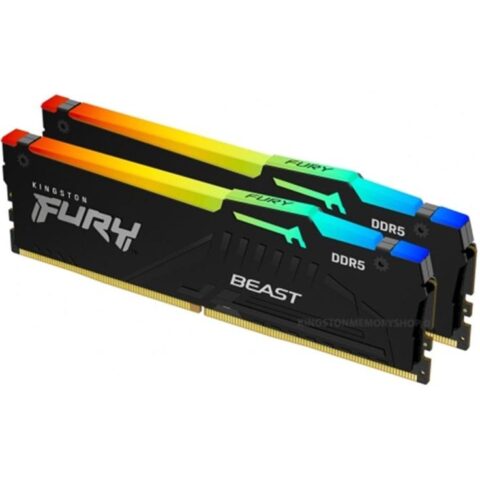
Experts also point out that investing in faster DDR5 RAM with optimized frequencies (such as 6000-MHz kits) can contribute to smoother system performance overall, often yielding more noticeable benefits when paired with high-end CPUs and GPUs.
This report is part of Ambuzzway Gaming coverage, tracking the latest PC hardware trends, performance tests, and gaming technology developments. Details in this article are based on the PC Gamer performance analysis released today and broader industry insights on RAM usage in modern gaming.