
A San Francisco teachers strike has brought the city’s public schools to a standstill, marking the first major educators’ walkout in nearly 50 years. The strike, which began after contract negotiations between the United Educators of San Francisco (UESF) and the San Francisco Unified School District (SFUSD) broke down, has closed hundreds of schools and left tens of thousands of students out of classrooms as talks continue without a resolution.
Teachers and supporters argue that the walkout was a last resort after months of bargaining failed to produce satisfactory improvements on pay, health care benefits, and chronic staffing shortages. As the strike enters its second full day, parents, educators, and community leaders are bracing for a prolonged disruption that could ripple across the city’s education system.
Historic Walkout Reflects Deep Discontent
The San Francisco teachers strike is historic not only for its scale but also for the depth of dissatisfaction among educators. According to union officials, the last significant strike in the city occurred nearly fifty years ago — emphasizing both the rarity and gravity of the current action.
In union statements, leaders said that their members have endured years of rising living costs in one of the nation’s most expensive cities, stagnant wages, and increasing class sizes. Teachers also pointed to inadequate support staff and challenges related to special education, mental health resources, and school safety.
“We have tried every avenue to keep our students in school while securing sustainable working conditions for educators,” said a UESF representative at a rally outside City Hall. “When negotiation became impossible, our strike became inevitable.”
Central Issues: Salary, Benefits, and Staffing
At the heart of the San Francisco teachers strike are several unresolved issues that educators say directly affect students and classroom quality:
Salary Disparities
Teachers argue that current salary scales do not keep pace with the rising cost of living in the Bay Area. With housing costs among the highest in the nation, many educators claim they are struggling to afford basic expenses.
Healthcare and Benefits
Union leaders say that recent health care proposals from the district fall short of what educators and their families need, especially as health insurance costs continue to rise.
Staffing Shortages
Chronic understaffing has left many classrooms without full-time support personnel. Teachers contend that larger class sizes and inadequate specialist support — such as counselors and special education aides — have increased workloads and made it more difficult to address student needs.
The inability to find agreement on these points has fueled frustration and ultimately driven teachers to strike.
Impact on Students and Families
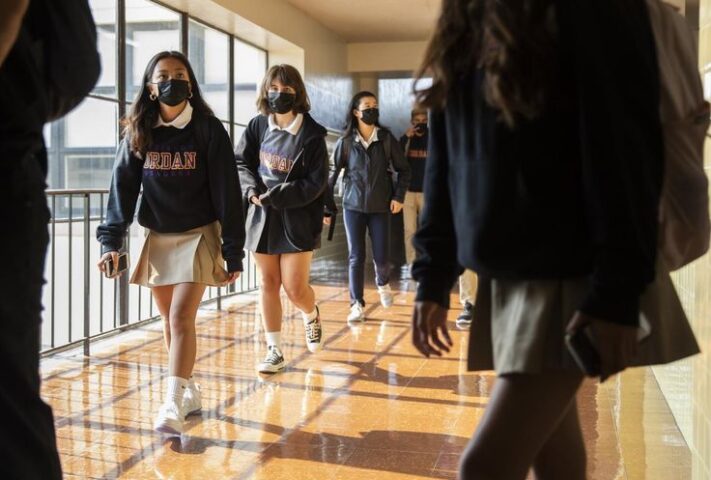
The strike’s impact has been widespread. With hundreds of schools closed, thousands of families are scrambling to adjust schedules, secure childcare, and find alternative enrichment activities for students.
Parents have expressed mixed feelings about the strike. While many sympathize with educators’ challenges, others worry about learning loss and disruption to students’ routines.
“My third-grader has already missed two days of school,” said a local parent at a community meeting. “I support teachers, but I’m also concerned about how this affects our kids’ education.”
Local businesses near schools have also felt the effects, with some reporting drops in morning foot traffic as parents stay home or adjust plans due to school closures.
District Response and Negotiations
SFUSD leaders have responded publicly to the strike, stating that they remain committed to bargaining in good faith. However, they have also argued that budget constraints and legal limitations prevent them from meeting all of the union’s demands.
District officials have reiterated that they want to reach an agreement that balances fair compensation and workplace conditions with fiscal responsibility.
“We understand the passion and dedication of our educators, and we are committed to finding a resolution,” said a district spokesperson. “We have made several proposals and will continue talks in hopes of avoiding further disruption.”
Despite these statements, negotiations have yet to yield a breakthrough, leading both sides to schedule additional bargaining sessions in the coming days.
Broader Conversations on Teacher Conditions
Education advocates and policymakers outside San Francisco are watching the strike closely, noting that it taps into wider national concerns about teacher pay, staffing shortages, and resource allocation in public schools.
Across the United States, educators have expressed similar concerns in recent years — particularly in districts with high costs of living or significant equity challenges. The San Francisco teachers strike adds to a growing conversation about how to attract and retain quality educators while maintaining sustainable school budgets.
Some experts view the walkout as a potential catalyst for broader policy discussions at the state and federal level regarding education funding, teacher compensation, and workforce support.
What Comes Next
As the San Francisco teachers strike continues, all eyes are on upcoming negotiation rounds between the union and district leadership. Union representatives have signaled that educators are prepared to sustain the walkout as long as necessary to secure meaningful improvements.
For students, families, and staff, the hope is that a resolution comes sooner rather than later — one that preserves classroom learning while ensuring fair working conditions for educators.
In the meantime, the city’s education landscape remains in flux, with teachers, parents, and district leaders navigating one of the most significant labor actions in decades.
This Ambuzzway Education report is based on coverage by Axios, which reported on the San Francisco teachers strike as the first major educators’ walkout in nearly 50 years, detailing issues over pay, benefits, and staffing that have led to widespread school closures and ongoing negotiations.