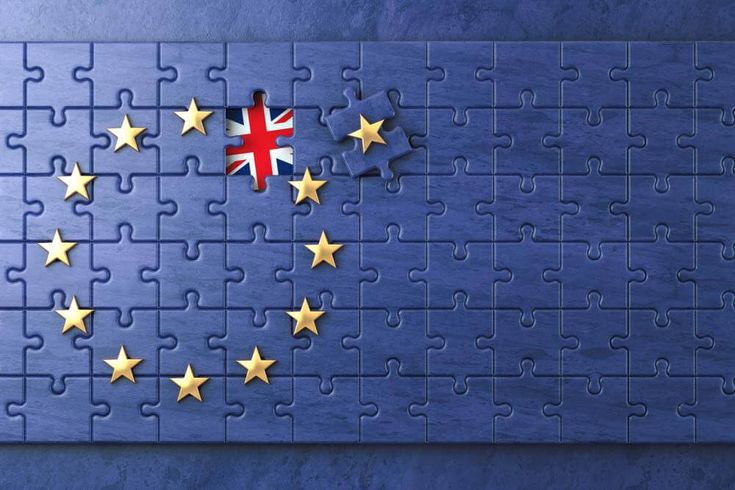
The UK economy sluggish growth narrative has once again taken center stage after official data revealed that Britain’s economy expanded by just 0.1% in the fourth quarter of 2025. While the figure technically avoids contraction, it underscores the fragile state of economic momentum as the country heads into 2026.
Economists had anticipated a modest recovery, but the latest GDP figures show that growth remains weak and uneven. Business investment declined sharply, construction output contracted, and concerns are mounting that without policy intervention, the UK could struggle to build sustainable economic momentum in the coming quarters.
What the 0.1% GDP Growth Really Means
A quarterly GDP increase of 0.1% may appear positive on paper, but in practical terms, it signals stagnation rather than expansion. For context, healthy advanced economies typically grow at rates closer to 0.5%–0.8% per quarter during stable periods.
The minimal growth reflects a combination of:
- Weak domestic demand
- Slowing business activity
- Persistent inflation pressures
- Higher borrowing costs over the past year
While the UK has avoided a technical recession, the broader picture suggests economic activity is moving at a slow and cautious pace.
Construction Sector Contracts
One of the most concerning elements of the report is the contraction in the construction sector. Construction is often considered a leading indicator of economic strength because it reflects infrastructure spending, housing demand, and commercial development.
In Q4 2025:
- Residential building slowed
- Commercial development weakened
- Infrastructure projects saw limited expansion
Higher interest rates over recent quarters have dampened property development and reduced demand for mortgages, directly affecting construction output. If the slowdown continues, it could have ripple effects on employment and supplier industries.
Business Investment Falls Sharply
Perhaps the most troubling signal within the UK economy sluggish growth data is the sharp decline in business investment.
Business investment is critical because it:
- Drives productivity growth
- Encourages innovation
- Expands job opportunities
- Strengthens long-term economic resilience
However, uncertainty surrounding global markets, domestic fiscal policy, and borrowing costs has made firms more cautious. Many companies have postponed expansion plans, equipment purchases, and hiring decisions.
Economists warn that without renewed confidence, investment stagnation could limit the UK’s long-term competitiveness.
Consumer Spending and Inflation Pressures
Consumer spending — a major driver of the UK economy — has shown mixed signals. While inflation has eased compared to previous peaks, household budgets remain strained.
Key challenges include:
- Higher living costs
- Energy and food price volatility
- Elevated mortgage repayments
Although wage growth has improved modestly, many households are prioritizing savings or essential spending rather than discretionary purchases. This caution limits retail and service sector expansion.
Pressure Mounts on the Bank of England
The latest GDP figures are likely to intensify debate within the Bank of England (BoE) regarding interest rate policy. After a prolonged period of tightening to combat inflation, policymakers now face a delicate balancing act.
Policy Dilemma:
- Keep rates high to control inflation
- Or cut rates to stimulate growth
Some analysts argue that additional interest rate cuts may be necessary in 2026 to prevent further stagnation. However, premature easing could risk reigniting inflationary pressures.
The central bank’s next moves will be closely watched by investors, businesses, and homeowners alike.
Global Context: External Pressures
The UK economy sluggish growth trend cannot be viewed in isolation. Global economic conditions also play a significant role.
International factors influencing the UK include:
- Slower eurozone demand
- Geopolitical uncertainties
- Supply chain adjustments
- Currency fluctuations
As a globally integrated economy, the UK is sensitive to international trade flows and financial market shifts. External headwinds may continue to limit rapid domestic recovery.
Is the UK Heading Toward Recession?
At present, the UK has avoided entering a technical recession, defined as two consecutive quarters of negative growth. However, the margin remains thin.
Economists note that:
- Growth remains fragile
- Investment confidence is weak
- Productivity challenges persist
While outright contraction has not materialized, the risk of stagnation remains a central concern for policymakers.
Outlook for 2026
Looking ahead, several factors could determine whether the UK economy sluggish growth phase continues or improves:
- Interest Rate Decisions – Rate cuts could support borrowing and spending.
- Business Confidence – Clear fiscal policy direction may encourage investment.
- Consumer Stability – Improved real wages could boost spending.
- Global Stability – External demand recovery would benefit exports.
Some forecasts suggest moderate improvement in the second half of 2026, but much depends on both domestic and global economic conditions.
The latest GDP data confirms that the UK economy sluggish growth trend remains a pressing issue. With just 0.1% expansion in Q4 2025, falling business investment, and contraction in construction, the path forward appears cautious and uncertain.
While recession has been avoided for now, sustained recovery will require careful policy management, renewed business confidence, and stable global conditions. The coming months will be critical in determining whether the UK transitions from stagnation to sustainable growth — or continues navigating a slow economic lane.
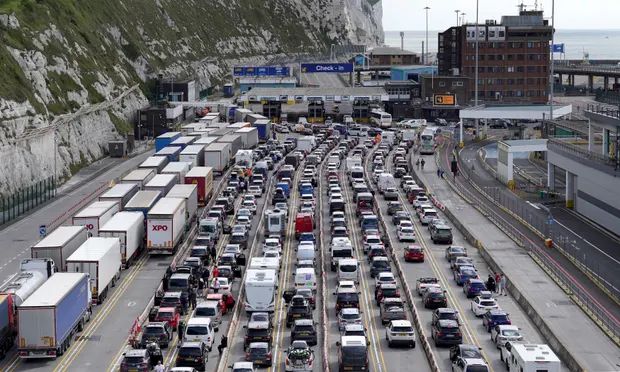
This Ambuzzway Business report is based on recent UK GDP data coverage from major financial news outlets including The Guardian Business Live, which detailed Q4 2025 growth figures, business investment declines, and policy considerations from the Bank of England.