The climate crisis impacts are no longer a projection for the distant future — they are unfolding in real time. Scientists and climate monitors have confirmed that the world has experienced record heat levels, triggered by the relentless advance of global warming, and communities across the globe are now feeling increasingly severe consequences. From supercharged hurricanes and drought-driven wildfires to rising seas that encroach on coastlines, the markers of a warming planet are intensifying and reshaping how people live, work, and plan for tomorrow.
New climate and environment updates emphasize that these impacts are already here, underscoring the urgent need for governments, industry, and communities to accelerate mitigation and adaptation strategies before the consequences worsen.
Record Global Heat: A New Scientific Reality
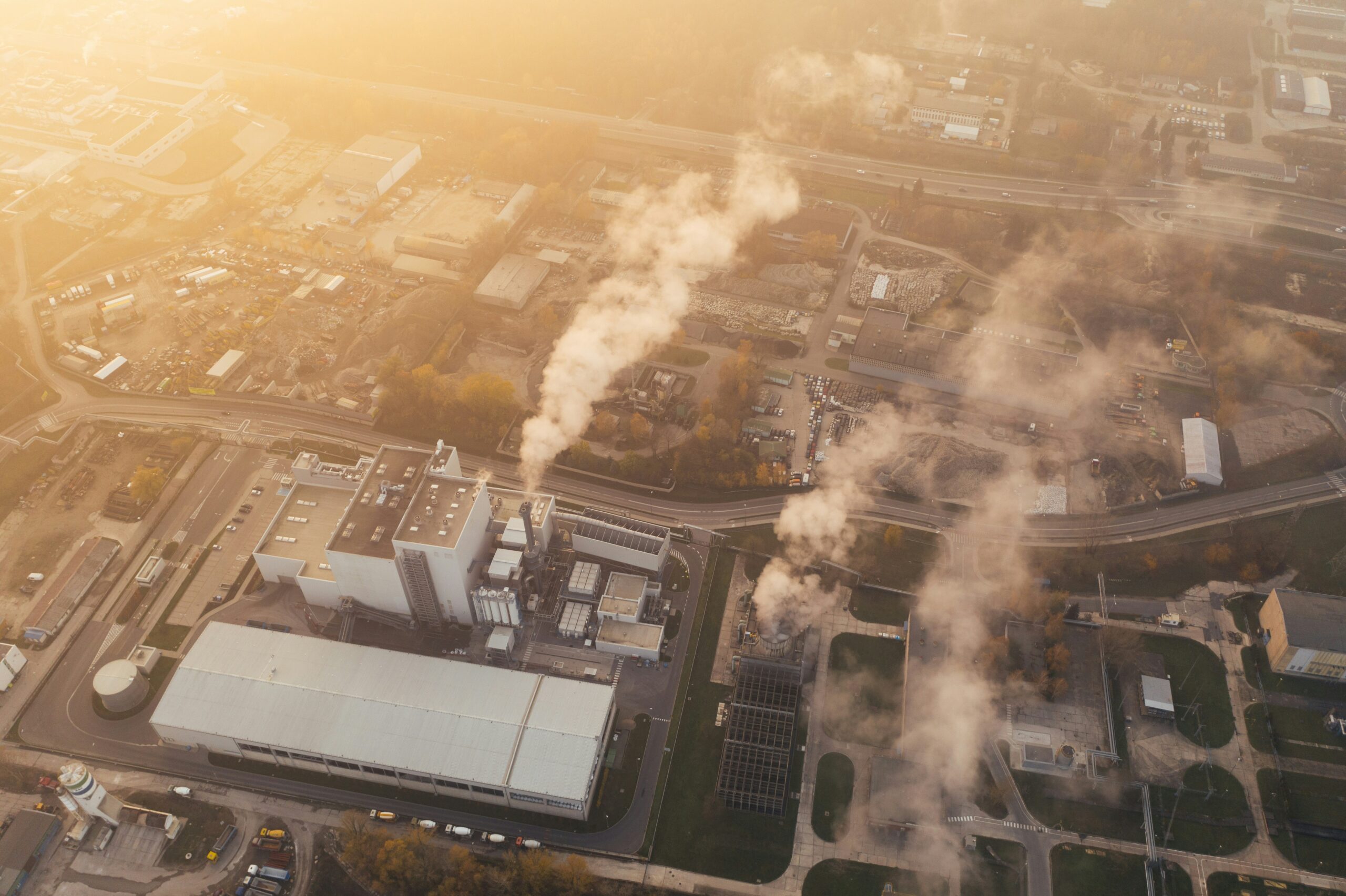
Scientists tracking global temperatures have noted that recent years — and particularly the latest annual cycle — rank among the warmest ever recorded. Heat records continue to fall across land and ocean measurements, driven primarily by elevated carbon dioxide and greenhouse gas levels in the atmosphere. Prolonged heat waves have become more frequent and extreme, affecting regions as diverse as North America, Europe, Asia, and Australia.
This persistent warming affects ecosystems, agriculture, water supplies, and human health. Heat stress can cause heat stroke, contribute to drought conditions, and multiply the stress on natural and built environments already coping with other climate threats.
Hurricanes Strengthening in a Warmer World
One of the clearest indicators of climate crisis impacts is the increasing intensity of tropical storms. Warmer ocean temperatures provide more energy for hurricanes, fueling stronger winds, heavier rainfall, and larger storm surges. Climate scientists warn that rapid intensification — a sudden and dramatic strengthening of storms in a short period — has become more common, making forecasting and preparedness even more crucial.
Coastal communities, already vulnerable to rising sea levels, are now facing the dual threat of stronger hurricanes with more destructive power. Emergency response systems, infrastructure planning, and evacuation strategies are being tested under conditions that exceed historical precedents, underscoring how climate change is changing the rules of disaster management.
Drought and Wildfires: A Destructive Combination
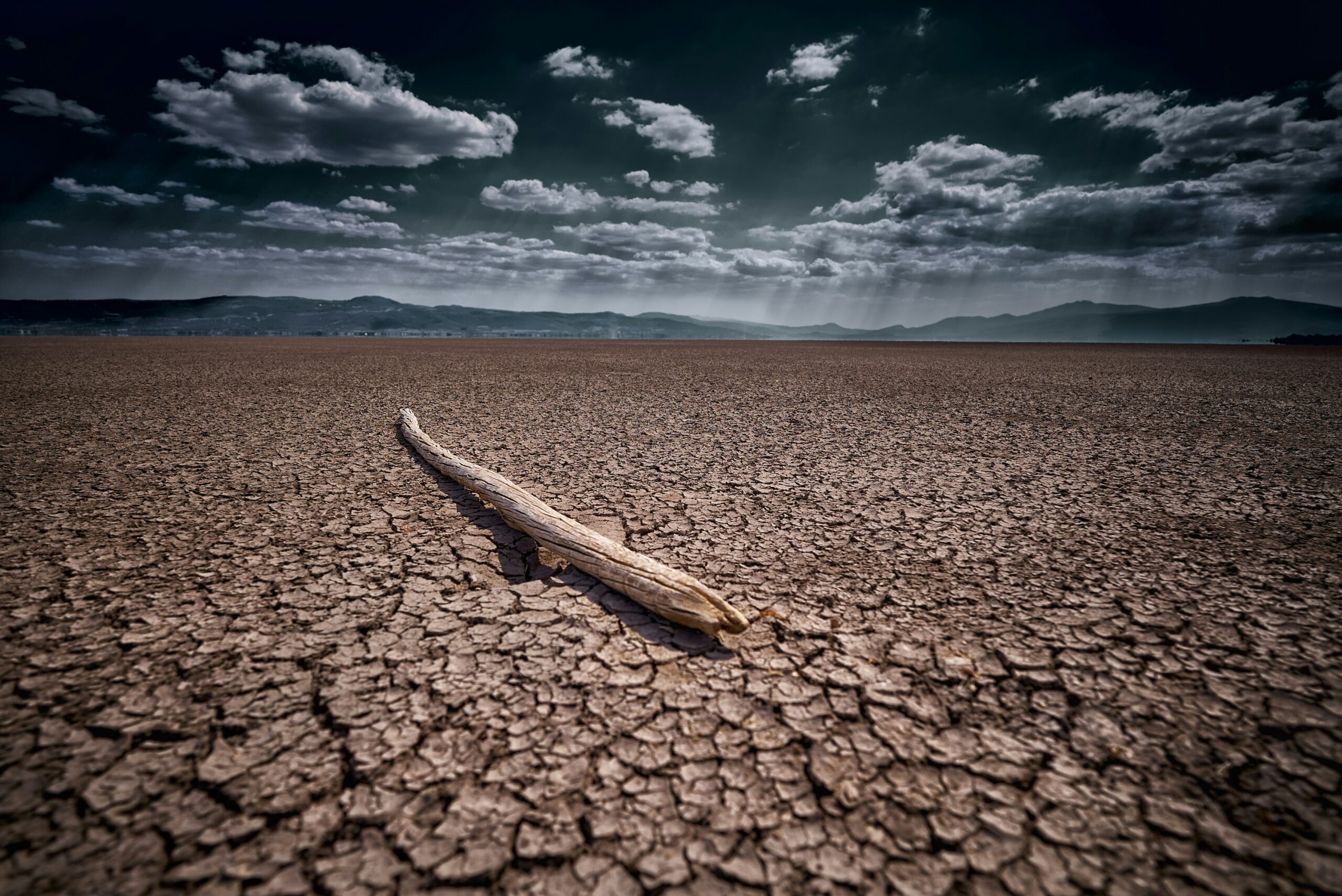
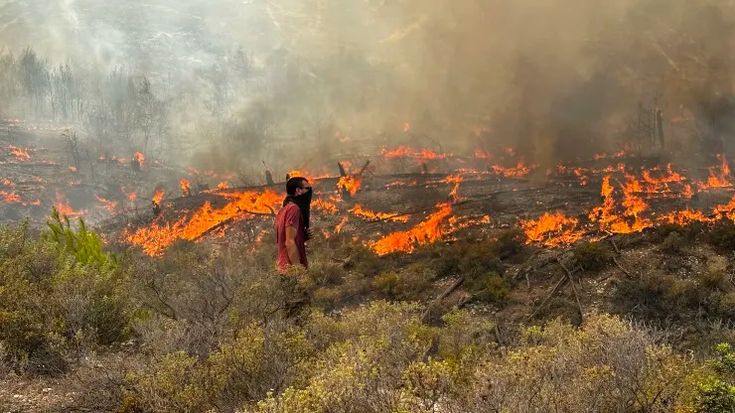
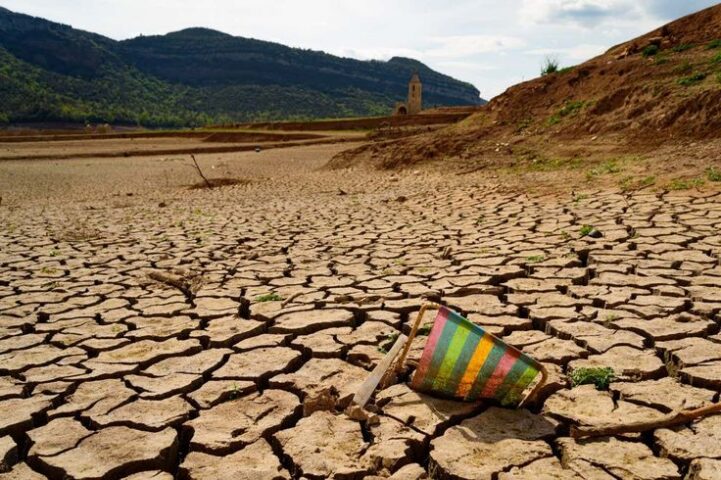
Record heat is also exacerbating drought conditions in many parts of the world. Prolonged dry spells have dried out forests, grasslands, and brush, creating fuel-rich environments for wildfires. These fire seasons are becoming longer, hotter, and more devastating.
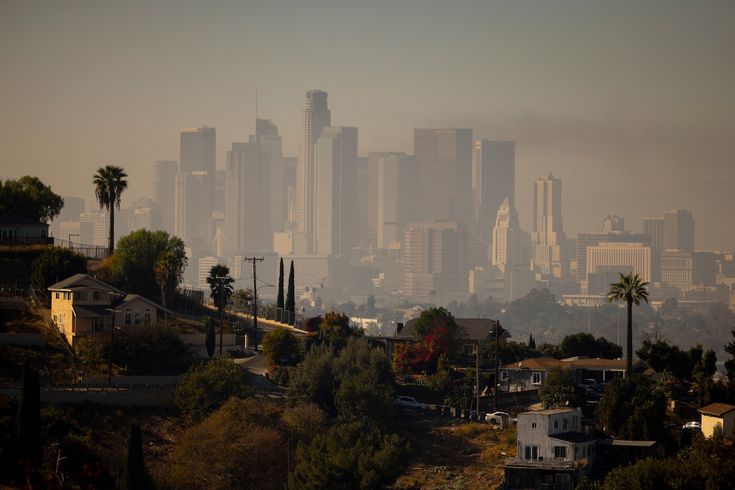
In regions like the western United States, parts of Australia, southern Europe, and other vulnerable areas, wildfire smoke has impacted air quality hundreds or even thousands of miles away from the flames themselves. The economic toll includes losses to homes, agriculture, and timber resources, while the human cost includes displacement, health impacts from smoke inhalation, and psychological trauma.
The combination of heat and drought creates conditions that are harder to reverse without immediate action to reduce emissions and support landscape recovery.
Rising Seas Encroaching on Coastlines
Another unmistakable outcome of rising global temperatures is sea level rise. As polar ice sheets and glaciers melt and ocean water expands with heat, coastlines around the world are slowly being submerged. From island nations in the Pacific to densely populated coastal cities in Asia, Europe, and the Americas, communities are dealing with higher tides, increased flooding, and saltwater intrusion into freshwater supplies.
The stakes are particularly high for low-lying countries and regions where millions of people live at or just above sea level. Forced migration, loss of arable land, and infrastructure damage are emerging challenges directly attributable to the climate crisis.
Everyday Life is Changing
The immediate impacts of the climate crisis are not confined to remote landscapes or isolated scientific reports. They are affecting everyday life in tangible ways:
- Heat waves disrupt work and school schedules and strain power grids.
- Farmers struggle with unpredictable planting and harvest seasons.
- Cities grapple with air pollution worsened by wildfire smoke.
- Insurance costs rise as extreme weather destroys homes and businesses.
- Vulnerable populations — including the elderly, children, and low-income communities — face disproportionate impacts.
These realities underscore that climate change is not an abstract future threat but a current public health, economic, and environmental crisis.
Scientific Consensus and Policy Imperatives
Climate scientists agree that limiting future damage depends heavily on reducing greenhouse gas emissions, particularly carbon dioxide, methane, and other heat-trapping pollutants. The Paris Agreement and subsequent international climate forums have set targets to limit global warming, but countries must accelerate their commitments and translate pledges into measurable action.
Policymakers are increasingly called upon to implement stronger emissions regulations, invest in renewable energy, and bolster resilience planning for communities facing immediate climate threats. Experts also emphasize the importance of climate adaptation — measures such as improved water management, wildfire mitigation systems, heat-resilient infrastructure, and coastal defenses.
What Comes Next
As record heat persists and climate crisis impacts become more pronounced, scientists, activists, and everyday citizens are urging a collective response. The future trajectory of the planet will be shaped not only by natural processes but by the decisions and policies enacted today. If nations and leaders act swiftly to curb emissions and prepare for unavoidable climate impacts, some of the worst outcomes can be mitigated.
Yet the clock is ticking, and each passing season of heat waves, storms, droughts, and rising seas serves as a stark reminder of the urgency.
This Ambuzzway Climate report uses recent ABC News climate and environment updates, which summarize key scientific observations about record global heat, hurricane intensification, wildfire trends, and sea level rise. Additional climatological context is supported by verified climate science reporting and expert analysis from global research institutions tracking long-term climate change impacts.