
House vote to end US shutdown: what could still derail the deal
House vote to end US shutdown. That’s the phrase echoing through Washington this week as Congress races to finish what the Senate started: passing a funding measure to reopen the federal government after the longest shutdown in US history. The Senate has already approved a stopgap spending bill that would keep agencies funded into the new year, but the House of Representatives must now deliver the final votes before the package can land on the president’s desk.
On paper, the math looks simple. Republicans hold a narrow majority, and if they stay united they can pass the bill without a single Democratic vote. In reality, the path is crowded with political potholes—from a tense fight over healthcare premiums to internal rifts in both parties, to the bare-knuckle arithmetic of a two-vote margin, to literal travel chaos complicating lawmakers’ return to Washington.
This deep-dive unpacks four big obstacles that could slow—or sink—the House vote to end the US shutdown, and it clarifies what each wrinkle means for the economy, for millions who rely on the Affordable Care Act (ACA) premium tax credits, and for the political fortunes of both parties heading into next year’s elections.
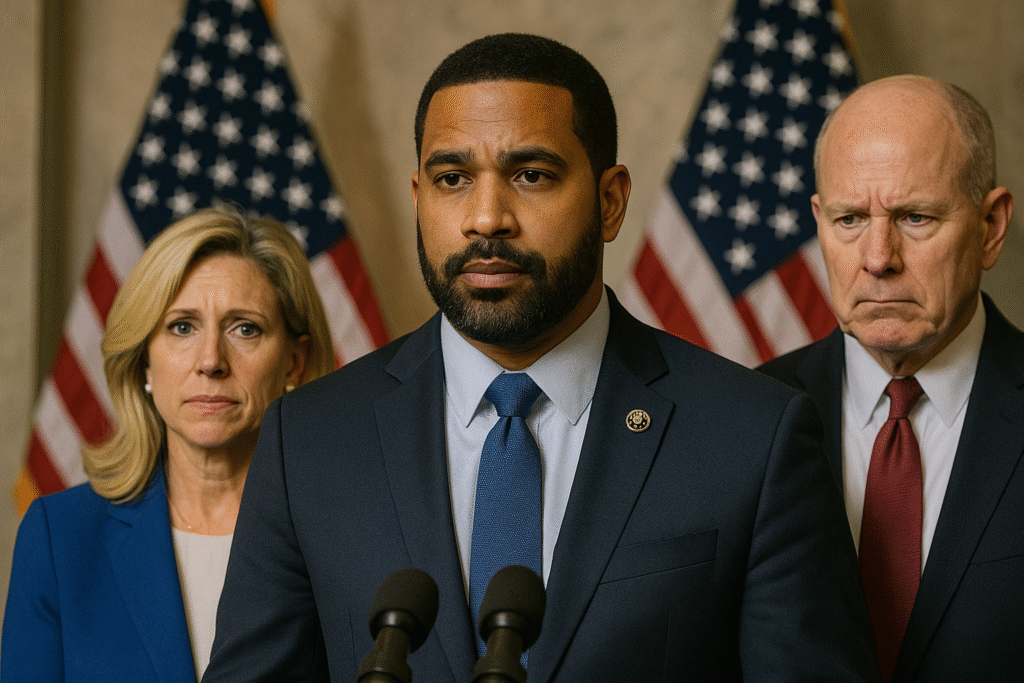
Quick briefing: the four obstacles at a glance
- Healthcare subsidy fight: Democrats want a firm extension of enhanced ACA premium tax credits that keep coverage affordable for roughly tens of millions, while many Republicans want tighter eligibility and a different delivery design. Any whiff of “premium spikes” is a political third rail.
- Democratic resistance strategy: Progressive leaders argue that passing a barebones funding bill without concrete healthcare guarantees is capitulation. Moderates, however, say reopening government must come first—even if the healthcare vote comes later.
- GOP vote math: With a razor-thin majority, House Republicans can afford to lose only a couple of members. Fiscal hawks bristle at stopgap funding and rising debt, and some want a longer continuing resolution (CR) or deeper spending limits.
- Travel gridlock and logistics: Flight reductions and weather disruptions complicate member travel back to Washington, injecting a mundane—but real—operational risk into the vote timing.
Let’s go line by line.
Obstacle 1: Healthcare premium tax credits—and the politics of pocketbook pain
The spending fight is colliding with an issue that touches household budgets: ACA premium tax credits. Under current law, the “enhanced” credits that were first expanded during the pandemic and later extended by the Inflation Reduction Act are scheduled to expire at the end of 2025. Policy experts have warned that if Congress lets them lapse, many Marketplace enrollees would face substantial premium increases, with middle-income families above 400% of the federal poverty level hit especially hard.
Democrats want to link shutdown relief to healthcare stability. Their ask is straightforward in political terms: include a clean extension of the enhanced credits and avoid a year-end panic over 2026 premiums. Republicans counter that any extension should come with reforms—such as income caps, different mechanics for how assistance is delivered, or anti-“insurer windfall” provisions that send more of the benefit directly to individuals. Some conservatives also argue that a narrow CR isn’t the place for health policy overhauls.
Why this matters in the House vote to end US shutdown
Because healthcare costs aren’t abstract. If voters read headlines about premiums “spiking,” Democrats will accuse Republicans of raising the price of coverage. Republicans know it—and some, including vocal conservatives, have warned their party against actions that would lead to premium hikes. The House Speaker has signaled openness to discussing the credits, but not necessarily to voting on them within the CR. That timing dispute is the core of the standoff: Democrats want guarantees now; Republican leaders want to defang the issue without rewriting health policy under shutdown duress.
Potential compromise lanes
• Time-box the healthcare vote: Put a hard date on the calendar for a standalone vote, with agreed-upon amendment rules.
• Narrow extension: Bridge the enhanced credits for a limited window while committees craft a broader plan.
• Means-testing and anti-gaming tweaks: Add targeted eligibility refinements to win over fiscal hawks while keeping average premiums stable.
The political risk if talks break down
If House Republicans pass a CR with only a vague promise to “consider” healthcare, Democrats will brand the move a betrayal of families bracing for higher premiums. If Democrats withhold votes and the bill fails, Republicans will claim Democrats are prioritizing politics over paychecks for furloughed workers. Either way, the messaging war is primed to erupt.
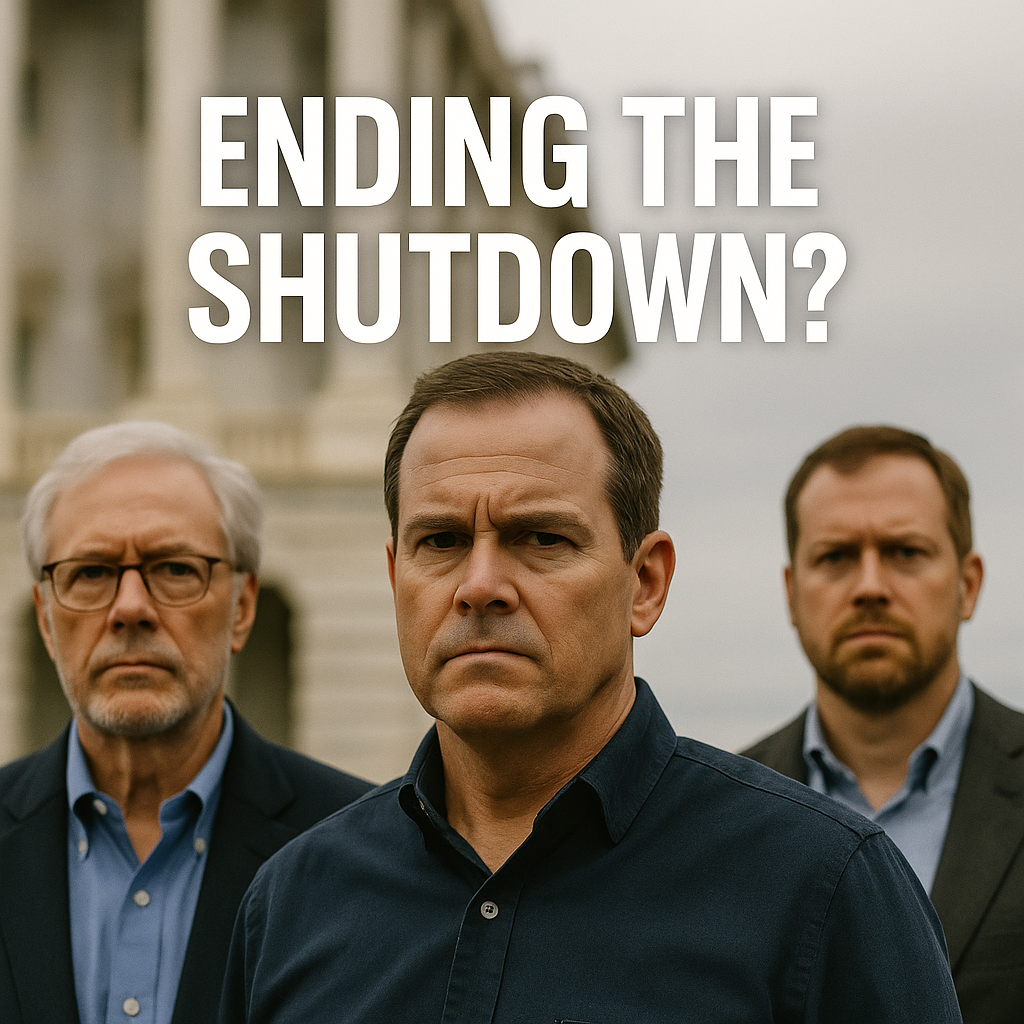
Obstacle 2: Democratic divisions—progressives vs. pragmatists
The shutdown has amplified a familiar debate inside the Democratic Party. Progressive leaders argue that surrendering leverage now would kneecap any chance to secure healthcare relief later. They point to earlier compromises that slipped into the legislative abyss once the immediate crisis faded. To them, a House vote to end US shutdown without locking in premium protection is a “horrific mistake.”
Pragmatic Democrats counter that keeping the government closed is untenable—for federal workers, small businesses waiting on loans, airports struggling with staffing, and families who need routine services. Their position: reopen first, then fight like hell on healthcare—ideally on a fast, public, recorded vote that forces Republicans to take a clear position before the election year fully begins.
How that shapes the vote count
If Republican leaders don’t have the votes within their own conference, they may quietly rely on a handful of moderate Democrats to cross the aisle. But progressive blowback could deter some fence-sitters. Leaders on both sides know that even a small progressive revolt, combined with a few Republican defections, can tank the bill on the floor.
Signals to watch
• Public statements from the chair and whip teams of the House Progressive Caucus and the Democratic Leader’s office.
• Commitments from moderate Democrats in swing or red-leaning districts who have previously backed bipartisan funding deals.
• Whether Democratic leaders negotiate specific healthcare vote procedures in exchange for allowing the CR to proceed.
Obstacle 3: GOP arithmetic—one conference, many factions
The most unforgiving obstacle to a House vote to end US shutdown is simple math. With a 219-213 balance (subject to vacancies), Republican leaders can afford to lose only two votes. Most Republicans are inclined to support a shutdown-ending package—especially if the president signals approval. But a vocal bloc of fiscal hawks is pushing for a harder line: flatter spending, tougher cuts, and a longer CR to avoid relitigating funding in January.
Key conservative pressure points
• Length of the CR: Some Freedom Caucus members prefer a funding bridge that runs much deeper into 2026, arguing that month-to-month stopgaps perpetuate chaos.
• Spending levels: Deficit hawks want caps or “cuts to wake Washington up,” warning that the debt trajectory is already alarming.
• “No policy riders” vs. “policy wins”: Leadership wants a clean, passable bill; conservatives want tangible reforms to justify their votes.
Add in a smaller number of Republicans who routinely oppose stopgaps on principle, and leaders have to count every nose twice. A single high-profile defection can trigger a cascade as others seek leverage or protection from primary challenges.
What could bring conservatives on board
• A concrete follow-on plan: Pair the CR with a detailed calendar for individual appropriations bills and a written commitment to open amendment processes.
• Negotiating chips on future spending fights: Pre-agreed targets or caps to be enforced in the next round of talks.
• Narrow, salient reforms that don’t unravel the coalition: For example, stronger clawbacks of unobligated funds or targeted oversight reporting requirements.
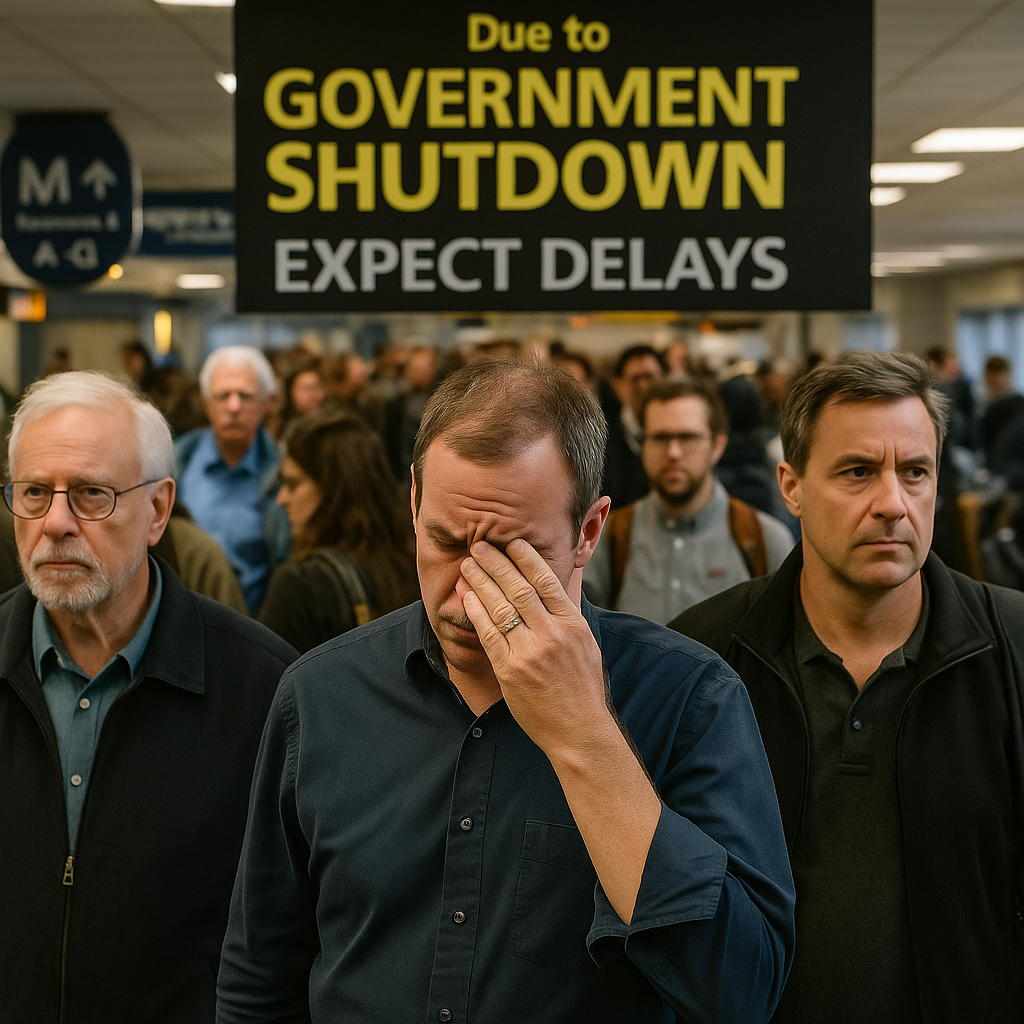
Obstacle 4: Travel snarls—real-world friction meets floor schedule
Politics aside, members need to physically reach the Capitol to cast votes. With air traffic reduced in high-volume markets during the shutdown and winter weather squeezing Midwest and Northeast hubs, the Capitol’s calendar can be derailed by logistics. To mitigate, the Speaker is urging members to scramble back early, and the schedule is being framed with wiggle room—“Wednesday afternoon at the earliest”—to accommodate late arrivals.
This kind of hiccup rarely kills a bill by itself, but it can force leadership to delay or reorder votes, extending uncertainty and giving critics more time to mobilize. In a two-vote House, one missed connection can flip the outcome.
What a “yes” vote would and wouldn’t do
A successful House vote to end US shutdown via a continuing resolution would immediately reopen agencies, pay federal employees, and restore basic government services. It would also restart the clock on the next fight—likely in January—when Congress must either pass full-year appropriations or pass yet another CR. The bill would not resolve deeper battles over health policy, immigration rules, or long-term fiscal strategy; those are deferred, not decided.
Economic and everyday impacts of reopening
• Workers and contractors: Hundreds of thousands of federal employees would get back pay processing, while contractors—who often don’t get back pay—could resume work and billing.
• Travel and airports: With pay flowing and predictable schedules returning, air traffic staffing stabilizes and planned capacity reductions can be unwound.
• Small businesses: SBA loan processing restarts; delayed federal permits and reviews resume.
• Households: IRS customer service and benefit verifications improve; passport processing and federal program hotlines ramp back up.
Healthcare stakes in detail
Because the controversy around this House vote to end US shutdown centers on health insurance affordability, it’s worth unpacking what’s at stake. The enhanced premium tax credits lower marketplace premiums by increasing subsidies and capping the share of income most households must spend on the benchmark plan. If these enhancements expire after 2025, many middle-income families—especially older enrollees in regions with higher premiums—would see significant increases. Analysts estimate premium payments would more than double on average for people who currently benefit from the enhanced credits if Congress does nothing.
Republican reform ideas include tightening eligibility via income caps, preventing insurers from capturing excess subsidy dollars, and sending assistance more directly to consumers. Democrats argue that the existing design is the simplest way to keep premiums stable and that any “reform” raising out-of-pocket costs is a non-starter. The CR becomes a proxy battlefield: fight now, or fight next month?
Political calculus for each faction
Republican leadership
Objective: Pass a clean or mostly clean CR that avoids intraparty revolt, keeps the government open, and sets up a more favorable negotiating field for spending fights in the new year. Risk: Losing a handful of conservatives and being forced to rely on Democratic votes, which can trigger a leadership headache.
Fiscal hawks
Objective: Extract meaningful concessions—either on the length of the CR, on spending caps, or on policy riders—to avoid endorsing “more of the same.” Risk: Being blamed for prolonging the shutdown and for any economic fallout.
Progressive Democrats
Objective: Lock in a healthcare win while leverage is highest. Risk: If the government stays closed, moderates and independents blame Democrats for obstructing reopening.
Moderate Democrats
Objective: Reopen government swiftly, then secure a time-certain healthcare vote. Risk: Angering the progressive base and being portrayed as caving to Republican terms.
Key players and what to watch them say
• Speaker Mike Johnson: Watch for signals about allowing a floor vote on premium tax credits and for commitments on a structured amendment process in January.
• Freedom Caucus leaders and fiscal hawks such as Thomas Massie: Their whip count chatter can make or break the floor margin.
• Progressive voices, including the chair of the House Progressive Caucus and high-profile Senate allies: They’ll frame the stakes on healthcare and pressure moderates.
• Moderates like Jared Golden and Henry Cuellar: Their public commitments can unlock a path if Republicans need outside votes.
Scenarios from most to least likely
- Narrow CR passes, healthcare vote promised: House Republicans hold enough of their conference, a few Democrats vote “yes” or vote “present,” and leadership commits to a healthcare vote on a specific date. Markets exhale; agencies reopen.
- Bipartisan patch with minor policy add-ons: To win holdouts, leadership adds targeted oversight or small savings measures. This draws a handful of Democratic votes and enough Republicans to cross the finish line.
- Healthcare mini-deal inside the CR: A short bridge of the enhanced tax credits—say six to twelve months—calms premium fears while the committees draft a long-term plan. Harder to execute quickly, but not impossible.
- Floor failure and reset: The bill fails, leadership scrambles for 24–48 hours to re-whip, and travel/weather friction pushes the next attempt later in the week. Agencies remain closed; pressure intensifies.
Why the debt debate keeps intruding
Every fight over a House vote to end US shutdown eventually intersects with America’s debt picture. Gross federal debt has crossed into the high-30-trillion range, and interest costs are consuming a larger share of the budget. Deficit hawks insist that short-term CRs perpetuate higher top-line spending and remove urgency from the appropriations process. They want a longer runway and flatter—or lower—spending levels to bend the curve.
The counterargument is practical: shutdowns cost money, slow growth, and increase backlogs, ultimately making deficits worse. That’s why many budget experts view the CR as a triage tool—necessary, but not a cure.
Timeline: how the week could unfold
• Members scramble back to Washington amid trimmed flight schedules and weather disruptions.
• House Rules Committee posts terms for floor debate; watch for special rules that limit amendments and set the timetable.
• Leadership gauges whip counts hour by hour; last-minute language tweaks appear.
• Floor vote window opens as soon as Wednesday afternoon, slipping later if travel snarls persist.
• If it passes, enrollment and presentment can be swift. If it fails, expect back-to-back attempts as negotiations continue.
Frequently asked questions
How is a continuing resolution different from a full budget?
A CR extends last year’s funding levels (with minor tweaks) for a defined period to avoid a shutdown. It doesn’t set new program priorities like a full appropriations package would.
Will federal workers immediately get back pay?
Historically, yes—Congress authorizes back pay after shutdowns. Paychecks are processed as soon as agencies reopen and payroll systems catch up.
What happens to airport delays?
With funding restored, the FAA can stabilize schedules, overtime, and training, which helps unwind capacity reductions. It won’t be instantaneous, but it improves quickly.
Are the ACA premium tax credits part of this bill?
That’s the fight. Democrats want a firm extension now; Republican leaders prefer to handle the issue in a separate vote or with reforms.
Bottom line
The House vote to end US shutdown is close enough to touch—but not guaranteed. Healthcare policy, intra-party fractures, tight vote math, and even snarled flights each introduce real friction. If leadership can blend a modest policy sweetener with a credible plan for a fast healthcare vote, the package likely clears. If either flank digs in—progressives demanding iron-clad healthcare language or conservatives insisting on a longer, leaner CR—the path narrows.
For readers tracking both policy substance and political strategy, this week’s question isn’t just “Will the House vote?” It’s “What will leadership trade to get there—and how will those trades shape the next round of fights over healthcare, spending, and America’s fiscal path?”
Sources and further reading (external links)
KFF explainer and projections on ACA premium credits and the impact if enhancements expire end of 2025:
https://www.kff.org/affordable-care-act/aca-marketplace-premium-payments-would-more-than-double-on-average-next-year-if-enhanced-premium-tax-credits-expire/
KFF calculator and policy background on enhanced premium tax credits:
https://www.kff.org/interactive/calculator-aca-enhanced-premium-tax-credit/
Congressional Research Service overview of continuing resolutions:
https://www.congress.gov/crs-product/R46595
Peter G. Peterson Foundation primer: What is a continuing resolution?
https://www.pgpf.org/article/what-is-a-continuing-resolution/
U.S. Treasury “America’s Finance Guide” on national debt:
https://fiscaldata.treasury.gov/americas-finance-guide/national-debt/
Joint Economic Committee Republican Debt Dashboard (current aggregates):
https://www.jec.senate.gov/public/index.cfm/republicans/debt-dashboard
Reuters coverage of fiscal hawks and Freedom Caucus positions during the shutdown:
https://www.reuters.com/world/us/shutdown-fight-fiscal-hawks-us-congress-push-flat-spending-2025-11-08/
Axios note on House Freedom Caucus push for a year-long stopgap:
https://www.axios.com/2025/11/04/house-freedom-caucus-full-year-stopgap-spending-government-shutdown
FAA-related shutdown impacts and controller staffing context:
https://federalnewsnetwork.com/government-shutdown/2025/11/faa-reducing-air-traffic-by-10-across-40-high-volume-markets/
Brookings analysis of air traffic controller shortages and shutdown effects:
https://www.brookings.edu/articles/air-traffic-controllers-and-why-there-arent-enough-of-them/
Congressional hearing record noting controllers and safety personnel working without pay during a shutdown:
https://www.congress.gov/event/116th-congress/house-event/LC64697/text