
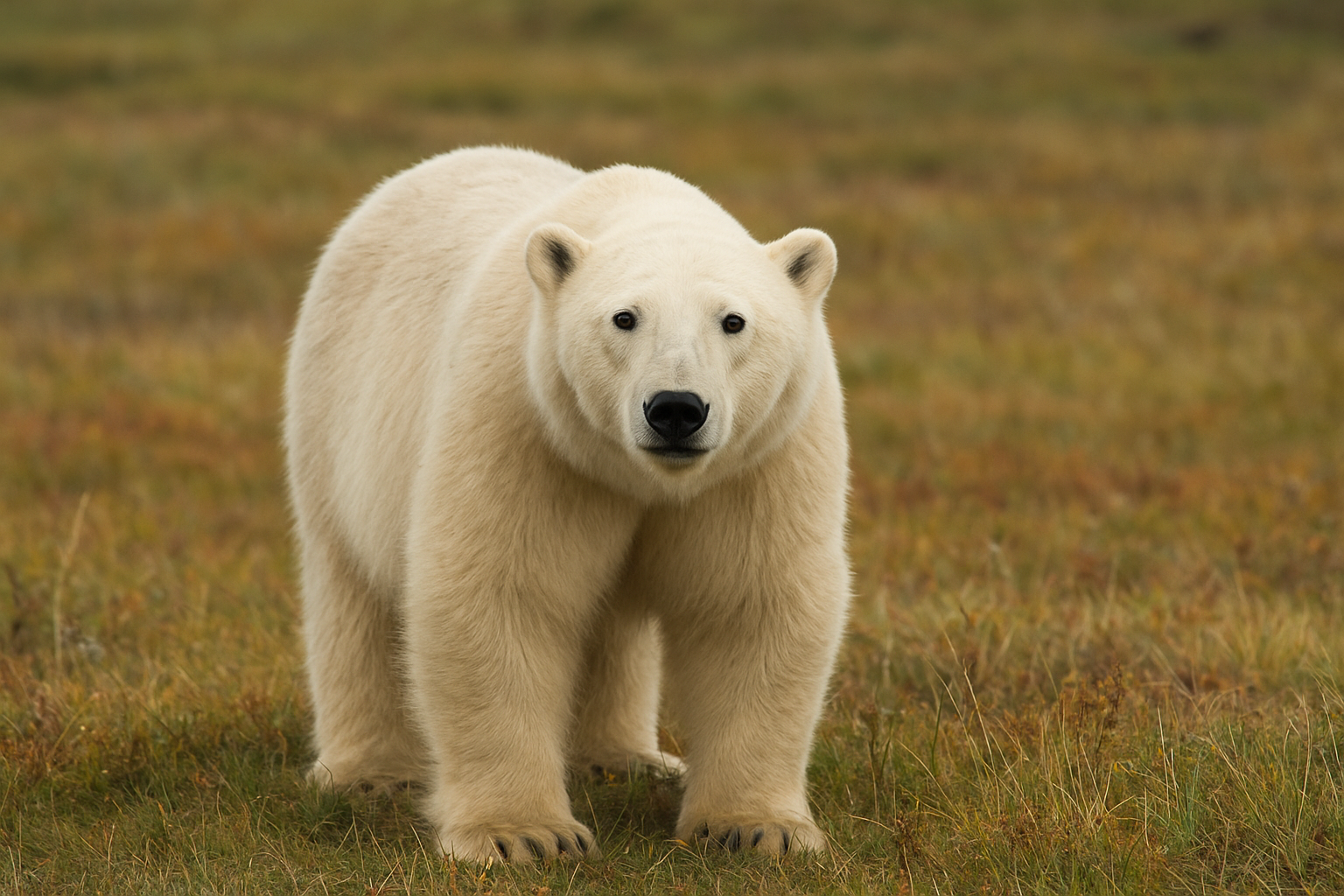
Polar bear DNA adaptation is emerging as one of the most significant scientific discoveries in the global fight against climate change, offering rare hope for a species long considered a symbol of environmental collapse. New genetic research suggests that some polar bears may already be adjusting at the molecular level to survive rising temperatures, shrinking sea ice, and changing food availability.
For decades, scientists have warned that polar bears are among the most vulnerable animals on Earth due to global warming. The rapid loss of Arctic sea ice threatens their hunting grounds, feeding patterns, and overall survival. However, groundbreaking research led by scientists at the University of East Anglia (UEA) reveals that polar bears living in southeastern Greenland may be undergoing genetic changes that allow them to better tolerate warmer conditions.
This discovery does not mean polar bears are safe — far from it. But it does suggest that evolution may be working faster than previously believed, rewriting DNA in ways that could help some populations endure a changing planet.
Understanding Polar Bear DNA Adaptation
Polar bear DNA adaptation refers to changes in how certain genes behave, particularly those associated with heat stress, metabolism, and ageing. Unlike traditional evolution, which unfolds over thousands of years, these changes appear to have occurred over just a few centuries — possibly even decades.
Researchers examined polar bears living in southeastern Greenland, a region that experiences warmer temperatures and less stable sea ice compared to other Arctic areas. What they found was remarkable: certain genes were “switching on” or behaving differently, helping these bears manage heat stress and process alternative food sources.
According to lead researcher Dr Alice Godden from UEA’s School of Biological Sciences, these genetic shifts could represent a vital survival mechanism. “These bears may provide a genetic blueprint for how polar bears could adapt quickly to climate change,” she explained.
Why Southeastern Greenland Bears Are Different
The polar bears studied live in a uniquely challenging environment. Unlike most Arctic regions, southeastern Greenland has fragmented sea ice and unpredictable weather conditions. These bears often rely on glacier ice and land-based resources rather than traditional sea ice platforms.
This environmental pressure may be driving polar bear DNA adaptation faster than expected.
Scientists discovered altered gene expression related to:
- Heat tolerance
- Fat metabolism
- Energy conservation
- Cellular ageing
These changes help bears survive longer periods without access to their traditional seal-based diet.
How Climate Change Is Forcing Genetic Change
Climate change has dramatically altered the Arctic ecosystem. Rising temperatures are melting sea ice earlier each year and delaying its return. For polar bears, this means less time to hunt seals — their primary food source.
Without sufficient fat reserves, polar bears face starvation. However, genetic changes linked to fat processing may allow some bears to survive on reduced or alternative diets.
Researchers believe polar bear DNA adaptation may be linked to:
- Improved fat storage efficiency
- Slower metabolism during food scarcity
- Enhanced tolerance to warmer temperatures
These traits are essential in an environment where food is unpredictable and hunting platforms are disappearing.
The Role of Diet in Polar Bear DNA Adaptation
Traditionally, polar bears depend on a high-fat diet derived almost entirely from seals. This diet fuels their massive size and helps them survive extreme cold.
However, warmer climates reduce seal availability. In southeastern Greenland, polar bears may be forced to consume more land-based or plant-associated food sources, which are far less nutritious.
Genetic changes linked to metabolism suggest these bears may be slowly adjusting to:
- Lower-fat diets
- Longer fasting periods
- Greater energy efficiency
This adaptation could explain how some populations continue to survive despite worsening conditions.
Polar Bears and the Endangered Species Act
In 2008, the United States government granted polar bears protected status under the Endangered Species Act. This decision was based on overwhelming evidence that climate change posed an existential threat to the species.
At the time, projections suggested that two-thirds of the world’s polar bears could disappear by 2050 if warming trends continued.
Dr Godden warns that timeline is alarmingly close. “That is really not that far away,” she said. “These bears are in real danger.”
Even with polar bear DNA adaptation, conservation efforts remain critical.
Can Genetic Adaptation Save Polar Bears?
While the discovery of genetic flexibility offers hope, scientists caution against optimism without action.
Adaptation does not guarantee survival.
Key limitations include:
- Genetic changes may not spread fast enough across populations
- Only specific groups show adaptation
- Extreme warming could outpace biological adjustment
Dr Godden emphasizes that genetic adaptation is not a substitute for climate action. “Efforts to limit global temperature increases must continue,” she said.
What This Means for Conservation Efforts
The discovery of polar bear DNA adaptation could reshape conservation strategies worldwide.
Instead of focusing solely on population numbers, scientists may begin prioritizing:
- Protection of genetically adaptive populations
- Preservation of unique habitats like southeastern Greenland
- Genetic research to guide breeding and relocation programs
These bears may hold the key to long-term species survival.
Global Warming and the Arctic Crisis
The Arctic is warming nearly four times faster than the rest of the planet. This rapid change affects not only polar bears but the entire ecosystem.
Melting ice disrupts:
- Marine food chains
- Indigenous communities
- Global weather patterns
Polar bears serve as a warning sign for broader environmental collapse.
Why Polar Bear DNA Adaptation Matters to Humans
The implications of this research extend beyond wildlife conservation.
Understanding rapid genetic adaptation could help scientists:
- Predict how other species may respond to climate change
- Develop better conservation policies
- Understand human genetic responses to environmental stress
In many ways, polar bears are teaching humanity how life adapts — and where it fails.
The Limits of Evolution in a Man-Made Crisis
Evolution has limits. While nature can adapt, human-driven climate change is happening at unprecedented speed.
Even with polar bear DNA adaptation, unchecked emissions, habitat destruction, and rising temperatures could overwhelm any genetic advantage.
This research reinforces a crucial truth: adaptation buys time, not immunity.
The Path Forward
To protect polar bears, scientists and policymakers must act on multiple fronts:
- Reduce greenhouse gas emissions
- Protect Arctic habitats
- Fund long-term genetic research
- Strengthen international climate agreements
Without decisive action, even the most adaptable DNA may not be enough.
Related Environmental Coverage
For more insights into climate science and environmental change, explore our Earth section:
👉 https://ambuzzway.com/earth/
Final Thoughts
Polar bear DNA adaptation offers a rare glimpse into nature’s resilience, revealing that even in the face of extreme environmental pressure, life fights to survive. But hope alone cannot save a species.
These genetic changes are not a solution — they are a warning.
The future of polar bears depends not just on evolution, but on human responsibility.
Source
This article is based on reporting and scientific findings originally published by BBC News.