

South Korea battery plant fire: A landmark verdict has reshaped the debate over corporate responsibility, worker safety, and the risks inherent in lithium battery manufacturing. In a ruling that reverberated across boardrooms and factory floors, a South Korean court sentenced the chief executive of Aricell to 15 years in prison for his role in a 2024 blaze that killed 23 people and injured eight more. The court’s characterization of the inferno as “an anticipated disaster” underscored the severity of safety lapses prosecutors and investigators said were evident at the Hwaseong production site. This case—now the longest prison term imposed under the country’s industrial safety law—signals a decisive moment for one of the world’s leading hubs of lithium battery production.
Shocking Landmark Verdict: Why This Case Matters The ruling is significant on multiple levels. It represents a profound shift in how South Korea applies accountability for industrial disasters, especially in sectors tied to advanced technology and global supply chains. Lithium-ion batteries, the energy source powering everything from smartphones and laptops to e-bikes and electric cars, are both a symbol of innovation and a source of heightened industrial risk. The South Korea battery plant fire case forces industry leaders, regulators, and investors to reexamine how risk is managed, how worker safety is prioritized, and how accountability is enforced when worst-case scenarios occur.
At the center of the verdict is Aricell’s chief executive, Park Soon-kwan, who received a 15-year prison term after the court found that safety failures at the company’s Hwaseong facility contributed directly to the deaths of 23 workers, including 18 foreign nationals. Prosecutors had sought a 20-year sentence, alleging that modifications to the plant made escape difficult and that essential safeguards and training were lacking. A senior executive at the company—Park’s son—received a parallel 15-year sentence and a fine of one million won. The court’s decision draws a clear line: leadership carries an unequivocal duty of care, and failure to uphold it has legal consequences.
South Korea Battery Plant Fire: What Happened in Hwaseong To understand why this ruling is being described as a watershed moment, it’s important to revisit the tragedy itself.
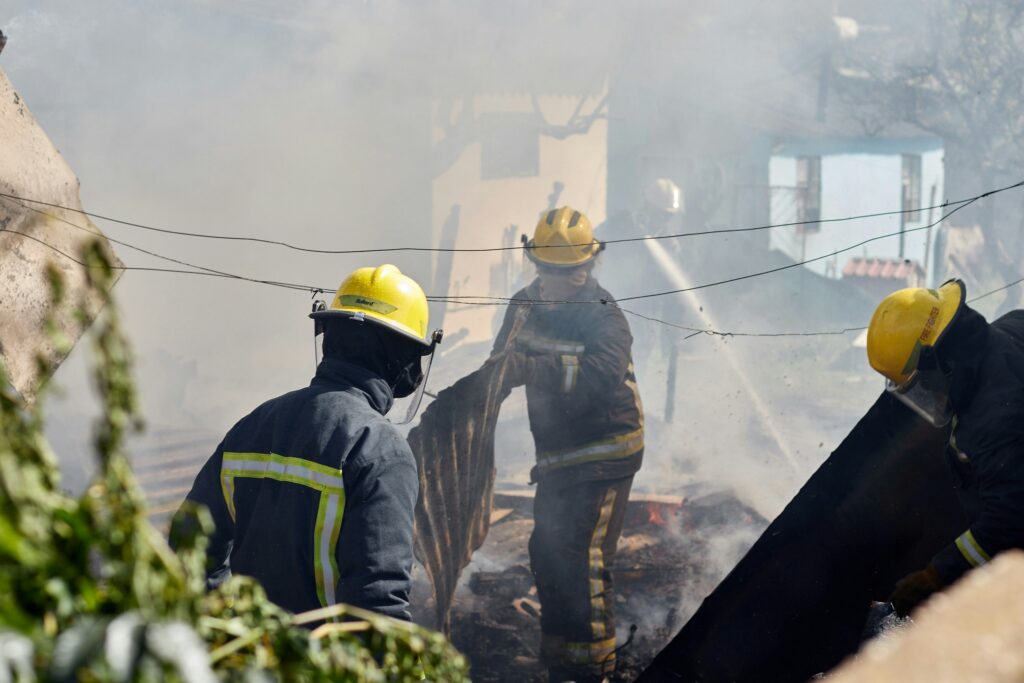
On a June day in 2024, a fire erupted in an Aricell plant in Hwaseong, a city roughly 45km (28 miles) from Seoul. The factory’s second floor housed an estimated 35,000 battery cells for inspection and packaging. In environments dense with lithium-ion cells, even minor thermal anomalies can escalate rapidly. Fire crews later described unusually challenging conditions: because lithium fires can react dangerously with water and intensify, responders had to use dry sand and specialized suppression methods. Containing the blaze took hours.
By the time the fire was brought under control, 23 lives had been lost and eight more people were injured. Among the dead were 18 foreign workers—hardworking migrants who play a vital role in South Korea’s manufacturing economy. The loss underscored not just a failure of engineering or operations, but a breakdown in the systems designed to protect some of the most vulnerable workers on the line.
The Court’s Reasoning: “An Anticipated Disaster” In criminal court, the language of causation matters. The judge’s depiction of the blaze as “an anticipated disaster” was not incidental—it signaled that the risks were foreseeable and that the protective measures in place were inadequate. Investigators said the company did not have proper safety measures or provide sufficient training for its workforce. Prosecutors argued that specific changes made within the plant hindered evacuation, turning what might have been a survivable emergency into a mass-casualty event.
While the Aricell CEO issued a public apology after the incident, he denied allegations of safety lapses. The court, however, found that organizational negligence contributed directly to the deaths, and that this negligence met the threshold of criminal liability under South Korea’s industrial safety law. For many observers, the ruling crystallizes a broader societal message: apologies cannot substitute for a robust safety culture, proactive hazard management, and verifiable compliance.
South Korea Battery Plant Fire and the Law: A New Era of Accountability This case now stands as the longest jail term imposed under South Korea’s industrial safety law, which mandates at least a year in prison—or fines up to one billion won—in cases involving fatalities. The legal framework has been evolving in South Korea to address a concerning pattern of fatal incidents across various industries. In recent years, authorities and lawmakers have increased scrutiny of compliance programs, executive oversight, and risk mitigation plans, especially in sectors that rely on hazardous materials or complex automated processes.
Prosecutors in the South Korea battery plant fire case sought a 20-year term for the CEO, emphasizing the gravity of the failures and the number of lives lost. The court’s decision to impose 15 years is still a sharp departure from the lighter penalties that, historically, were often assessed in industrial cases. Even more striking, the court also gave a 15-year sentence to a senior executive. That move broadens the scope of accountability and suggests that decision-makers beyond the CEO can face harsh penalties when systemic safety failures occur.
Lithium-Ion Batteries: How a Spark Turns Deadly Lithium-ion chemistry is efficient and powerful—but when abused, damaged, or improperly managed, it can become hazardous. A phenomenon known as thermal runaway occurs when a cell overheats faster than it can dissipate heat. In tightly packed environments—like a second-floor production space holding tens of thousands of cells—the risk compounds. If one cell fails catastrophically, the heat and flame can trigger neighboring cells, creating a chain reaction.
Standard water-based suppression can be ineffective or counterproductive for lithium battery fires. Firefighters often resort to class D agents, dry powder, or sand to smother burning material and isolate it from oxygen. If a facility lacks rapid detection, compartmentalization, and clear, accessible egress routes, a fire can outpace both suppression efforts and evacuation.
Safety protocols tailored to lithium-ion hazards are therefore essential. These include:
- Thermal monitoring and early detection systems to catch anomalies rapidly
- Strict inventory management to limit the number of cells in one area
- Physical compartmentalization and fire-rated barriers
- Clearly marked and unobstructed evacuation routes
- Regular, scenario-based training for workers and supervisors
- Immediate shutdown and isolation procedures when anomalies are detected
- Clear signage and multilingual instructions, especially in facilities employing foreign workers
Inside the Plant: 35,000 Cells and Constrained Escape The Hwaseong factory’s second floor, where inspection and packaging occurred, reportedly contained about 35,000 battery cells. High-density storage and processing can be manageable if backed by rigorous safety and evacuation planning. But prosecutors said the facility had been altered in ways that impeded escape, a claim that, if accurate, would turn a survivable incident into a fatal one.
In a fire, seconds matter. Door widths, swing directions, corridor clutter, and signage aren’t mere details—they determine whether workers can reach safety in time. When changes erode these safeguards, workers face a compounded risk: not only the blaze itself, but also the obstacles between them and survival.
Worker Safety and Migrant Labor The South Korea battery plant fire also put a spotlight on the contribution and vulnerability of migrant workers in advanced manufacturing. With 18 foreign nationals among the deceased, the case exposed the gaps that can emerge when training, signage, and emergency procedures aren’t accessible in workers’ native languages or are not reinforced regularly.
This is not a uniquely South Korean challenge. Globally, foreign workers often occupy frontline roles in manufacturing, construction, and logistics. Ensuring their safety demands deliberate, well-resourced planning:
- Multilingual training and safety documentation
- Safety drills with interpreters and translated instructions
- Cultural and communication training for supervisors
- Reporting mechanisms that protect whistleblowers and empower workers to raise concerns without fear
South Korea Battery Plant Fire: The Prosecution and the Defense The courtroom battle reflected fundamentally different narratives. Prosecutors argued:
- Executives failed to ensure proper safety measures and adequate training
- Plant modifications made evacuation difficult
- These failures rose to criminal negligence given the foreseeability of harm
The defense countered that:
- The CEO did not directly oversee or condone unsafe practices
- The company adhered to standards it believed were sufficient
- The incident, while tragic, was not the result of criminal negligence
The court’s finding—calling the tragedy “an anticipated disaster”—indicates it viewed the risk as foreseeable and the duty of care as unfulfilled. The sentences are correspondingly severe.
Firefighting Challenges: Why Water Wasn’t the Answer Lithium-ion battery fires can react violently with water. Once cells enter thermal runaway, conventional methods may not be sufficient. The responders in Hwaseong used dry sand and other specialized approaches to suppress the blaze. Even then, it took hours to bring the fire under control.
The lesson for factory operators is unambiguous:
- Prepare for the specific hazards of lithium-ion manufacturing
- Stock appropriate suppression agents and equipment
- Train in specialized firefighting protocols
- Design facilities to slow fire spread and protect evacuation routes
Industry Impact: A Wake-Up Call for Battery Makers South Korea is a global leader in lithium battery technology and manufacturing. The South Korea battery plant fire verdict will likely prompt sweeping internal reviews and reinforced safety investments across the sector. This may include:
- Comprehensive safety audits conducted by third parties
- Upgrades to fire detection and suppression systems
- Reconfigured floor plans to improve egress and reduce cell density
- New training programs emphasizing lithium-specific risks
- Stronger executive oversight and clearer lines of accountability
Insurance carriers may also demand enhanced controls, while investors—mindful of reputational and operational risks—could ask for detailed reporting on safety metrics, audit results, and remediation efforts.
International Context: How Other Countries Respond Around the world, governments are tightening enforcement around industrial disasters:
- In Europe, the Seveso III Directive targets high-hazard industrial sites with strict prevention and response planning
- In the United States, OSHA and NFPA guidelines inform both compliance and best practices in hazardous industries, with civil and criminal penalties possible after fatal incidents
- In East Asia, policymakers are increasingly focusing on executive liability to ensure safety isn’t relegated to the shop floor
South Korea’s ruling aligns with this trend, demonstrating an appetite for strong sanctions when safety management systems fail. Cross-border manufacturers operating in multiple jurisdictions now face a global compliance landscape that expects proactive, demonstrable diligence.
Corporate Culture and Leadership Safety culture is not a poster on a wall—it’s a set of behaviors, incentives, and norms that every layer of management embodies. In environments handling volatile materials, leadership must:
- Establish clear safety KPIs linked to compensation
- Conduct regular, unannounced audits
- Empower workers to halt operations when risk is detected
- Ensure credible, independent oversight of safety-critical decisions
- Treat near-misses as urgent learning opportunities, not as metrics to be hidden
The South Korea battery plant fire ruling clarifies that top executives cannot outsource responsibility for safety to mid-level managers. Legal accountability now mirrors moral responsibility.
Economic Stakes: Growth vs. Safety Lithium batteries are strategic. They power the green transition, enable mobility, and support digital life. South Korea’s manufacturing ecosystem benefits from global demand, but growth must be anchored in safety. Incidents like Hwaseong inflict human suffering, damage reputations, and disrupt supply chains.
Strong safety is not a brake on growth—it is the foundation of sustainable capacity. Companies that invest in safer processes, better training, and smarter design will be more resilient, more insurable, and more competitive over time.
Policy and Enforcement: What Comes Next The Hwaseong case may influence policy adjustments, enforcement intensity, and judicial appetite for severe penalties in similar cases. Government leaders have voiced concerns that not enough is being done to protect workers from death or injury, vowing to increase penalties for fatal workplace accidents. In practice, this could mean:
- More frequent inspections, especially at high-risk sites
- Higher minimum penalties and expanded executive liability
- Stronger whistleblower protections
- Requirements for independent certification of safety systems
- Public reporting of safety performance metrics
South Korea Battery Plant Fire: Preventive Steps Every Factory Should Take Now The lessons here extend to any facility handling lithium-ion cells, modules, or packs:
- Hazard identification and risk assessment: Regularly update your HAZOP and FMEA analyses for battery processes and storage
- Inventory control: Set strict limits on cells per zone and implement real-time tracking
- Engineering controls: Install thermal monitoring, early detection systems, and fire-rated compartmentalization
- Egress and emergency planning: Keep escape routes unobstructed, test them under simulated emergency conditions, and ensure multilingual signage
- Training and drills: Conduct scenario-based exercises that include temporary workers and contractors; document participation and outcomes
- Supplier and equipment vetting: Validate the safety performance of battery suppliers and lab-grade test equipment used in inspection and packaging
- Incident response: Pre-stage dry agents, sand, fire blankets, and battery-specific suppression tools; train responders in their use
- Governance: Elevate safety to the board agenda with independent reporting lines and authority to halt operations
Human Stories: The Irreparable Cost At the heart of the South Korea battery plant fire are lives lost and families forever changed. The tragedy’s human dimension compels a higher standard of prevention and accountability. When workers step onto the factory floor, they are placing trust in their employer’s safety systems and leadership. The law now echoes a societal expectation: that trust must be earned every day.
Frequently Asked Questions: South Korea Battery Plant Fire Case
Q: What did the court decide in the South Korea battery plant fire case? A: A South Korean court sentenced Aricell’s CEO, Park Soon-kwan, to 15 years in prison after finding that safety failures contributed to a 2024 factory fire that killed 23 people and injured eight. A senior executive received the same prison term and a monetary fine.
Q: Why is this considered a landmark verdict? A: It is the longest prison term imposed under South Korea’s industrial safety law for a fatal incident, signaling heightened accountability for corporate leaders in hazardous industries.
Q: How did the fire become so deadly? A: The plant reportedly housed roughly 35,000 lithium-ion cells on the second floor. Lithium battery fires can escalate rapidly via thermal runaway, and water is often ineffective or dangerous; firefighters used dry sand and other methods and needed hours to control the blaze. Prosecutors also argued that plant modifications hindered evacuation.
Q: What does the law say about penalties? A: Under the relevant industrial safety law, owners or company leaders can face at least one year in prison or fines up to one billion won for fatal workplace incidents, depending on the circumstances and the court’s findings.
Q: What steps can companies take to prevent similar tragedies? A: Implement stringent hazard assessments, enhance detection and compartmentalization, enforce strict inventory controls, conduct multilingual worker training and drills, ensure clear evacuation routes, and establish strong governance with direct executive oversight of safety.
Q: Why is lithium-ion battery manufacturing so risky? A: Lithium-ion cells store high energy. Physical damage, manufacturing defects, or operational misuse can cause overheating and thermal runaway, which may spread quickly in dense storage areas.
Q: Were foreign workers among the victims? A: Yes. Of the 23 people killed, 18 were foreign workers. Their deaths have intensified calls for multilingual safety programs and improved protections for migrant labor.
Q: What broader impact will this verdict have? A: It is likely to push battery manufacturers and other high-risk industries to intensify safety investments, strengthen compliance frameworks, and prepare for stricter inspections and enforcement actions.
Key Takeaways
- The South Korea battery plant fire case produced a landmark 15-year prison sentence for the Aricell CEO and an equivalent sentence for a senior executive.
- The court deemed the disaster “anticipated,” indicating the risks were foreseeable and insufficiently mitigated.
- Lithium-ion battery manufacturing demands specialized safety protocols; conventional firefighting methods are often inadequate for these fires.
- The ruling signals a new era of executive accountability under South Korea’s industrial safety law and may influence policy, enforcement, and industry practices.
- Worker safety—especially for migrant labor—must be anchored in multilingual training, clear evacuation design, and a robust, measurable safety culture.
South Korea Battery Plant Fire: A Final Word This verdict is not just a legal milestone—it’s a moral and operational inflection point. For companies working with high-energy materials, safety cannot be a secondary priority. For investors and insurers, robust safety performance is a proxy for sound governance and operational resilience. For regulators and the public, this ruling affirms that preventable tragedies carry real consequences for those in charge.
The South Korea battery plant fire will be studied in boardrooms, classrooms, and safety workshops for years to come. The most meaningful legacy of this tragedy would be a transformed safety culture—one that prevents such a disaster from ever happening again.
External Sources and Further Reading Note: These sources provide background on lithium-ion battery fire risks, workplace safety standards, and South Korea’s regulatory environment.
- BBC News coverage of South Korea industrial incidents and global business context: https://www.bbc.com/news
- Reuters Asia Pacific news and South Korea industry coverage: https://www.reuters.com/world/asia-pacific/
- National Fire Protection Association (NFPA) lithium-ion battery safety resources: https://www.nfpa.org/education-and-research/home-safety-toolkits/lithium-ion-battery-safety
- International Labour Organization (ILO) occupational safety and health: https://www.ilo.org/global/topics/safety-and-health-at-work
- South Korea Ministry of Employment and Labor (English portal): https://www.moel.go.kr/english/
- South Korea National Fire Agency (English portal): https://www.nfa.go.kr/eng/
- Korea Legislation Research Institute (English service) for laws and regulations: https://elaw.klri.re.kr/eng_service/main.do
- General overview of lithium-ion battery hazards and firefighting considerations, U.S. OSHA: https://www.osha.gov/lithium-battery
- U.S. National Transportation Safety Board insights on battery fires (transport context): https://www.ntsb.gov/investigations/data/Pages/li-ion-battery-safety.aspx
- European Union workplace safety and Seveso Directive framework (high-hazard sites): https://osha.europa.eu/en https://environment.ec.europa.eu/topics/industrial-emissions/seveso-directive_en
These links are provided for context and best-practice guidance. For case-specific court documents or official statements in South Korea, consult announcements from the Ministry of Employment and Labor, the judiciary, or local law enforcement agencies.