

A newly released UN genocide report Israel Gaza has sent shockwaves across the world, accusing Israel of committing genocide in the Gaza Strip. The report claims Israel has violated the 1948 Genocide Convention, the international treaty created in response to the Holocaust. The convention defines genocide as acts committed with the intent to destroy, in whole or in part, a national, ethnic, racial, or religious group.
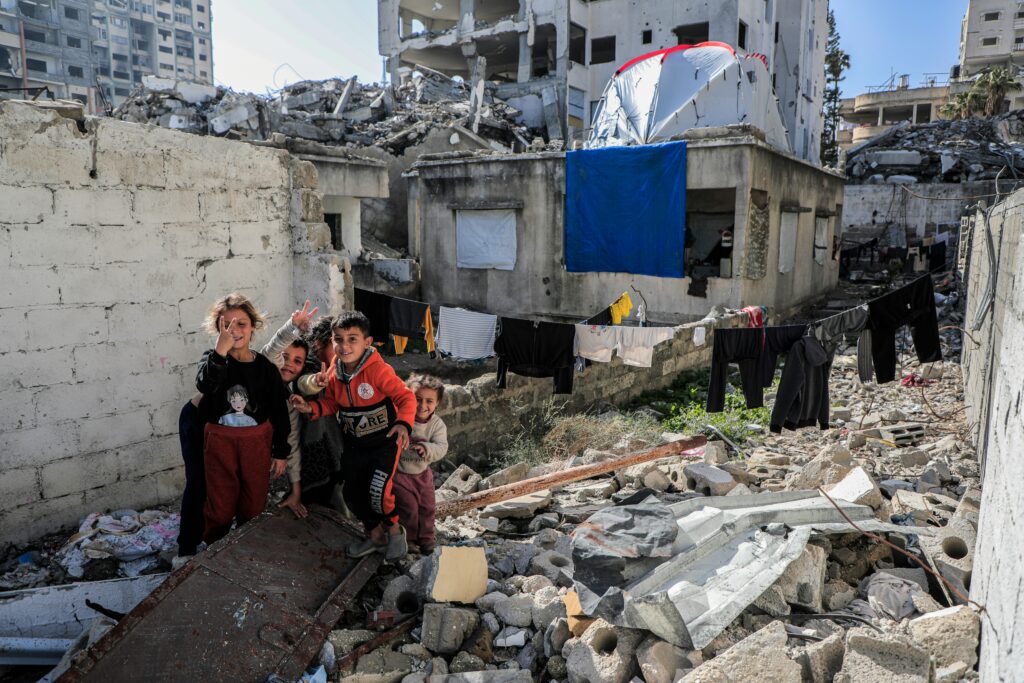
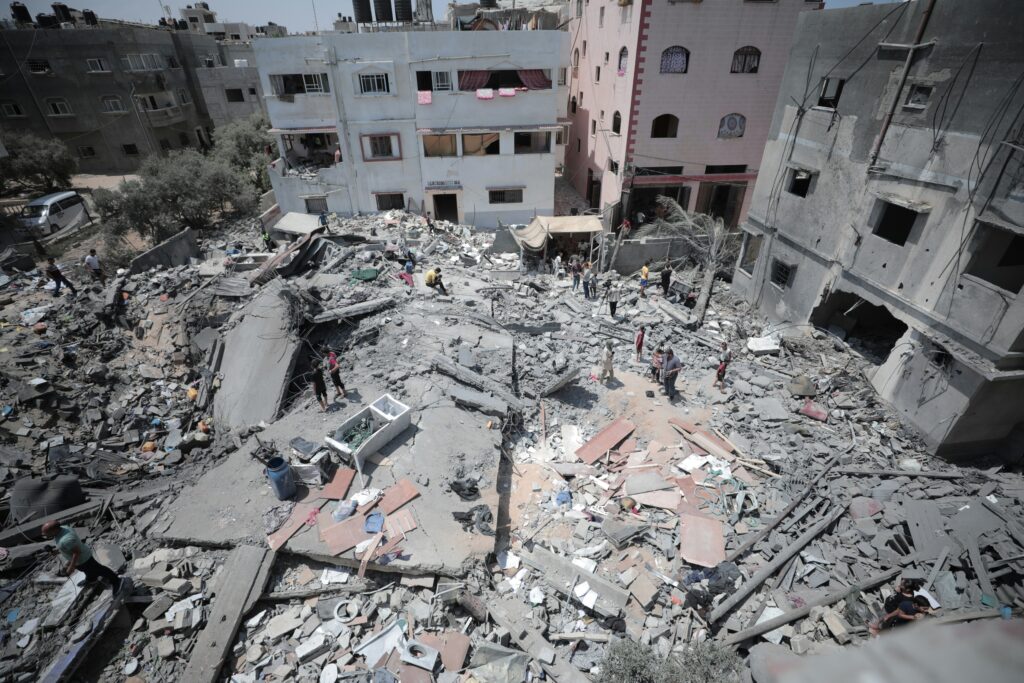
The findings allege that Israeli military operations have displaced more than 90% of Gaza’s population between October 2023 and June 2025. According to UN investigators, the humanitarian crisis is unprecedented, with entire cities flattened, infrastructure demolished, and civilians subjected to starvation-level conditions.
Israel Rejects Allegations, Calls Report “Biased”
Israel has strongly denied all accusations, calling the UN Human Rights Council report “antisemitic lies” inspired by Hamas. The Israeli government argues that its military actions are acts of self-defense, aimed at dismantling Hamas’ military capabilities and rescuing hostages taken on October 7, 2023. Around 20 of those hostages are believed to remain alive.
Israeli officials, including Prime Minister Benjamin Netanyahu, have dismissed the investigation as politically motivated. Israel and the United States have long accused the UN Human Rights Council of bias, and both nations are boycotting its sessions.
Details of the UN Findings
The UN genocide report Israel Gaza is detailed and damning, documenting evidence of forced displacement, civilian targeting, and systemic deprivation of essential resources. Among its most serious allegations:
- Mass Forced Displacement: More than one million people in Gaza City have been ordered to evacuate and move south.
- Man-Made Famine: UN agencies say a “man-made famine” is underway, with food and medicine deliberately blocked.
- Civilian Targeting: The report accuses the Israel Defense Forces (IDF) of targeting civilians and destroying infrastructure essential for survival.
- Attacks on Health Facilities: Gaza’s largest fertility clinic was destroyed, eliminating thousands of stored embryos, sperm, and eggs — interpreted as “measures intended to prevent births.”
International Response and Growing Condemnation
The report is fueling a surge in international criticism of Israel’s conduct. Western allies such as the United Kingdom, France, Australia, and Canada are expected to join a majority of UN members in recognizing Palestinian statehood during the upcoming UN General Assembly in New York.
This diplomatic move is seen as more than symbolic — it shifts the global debate about the future of the conflict, which dates back more than a century. Netanyahu has condemned such recognition, saying a Palestinian state would put Israeli lives at risk.
Israeli Leaders Accused of Incitement
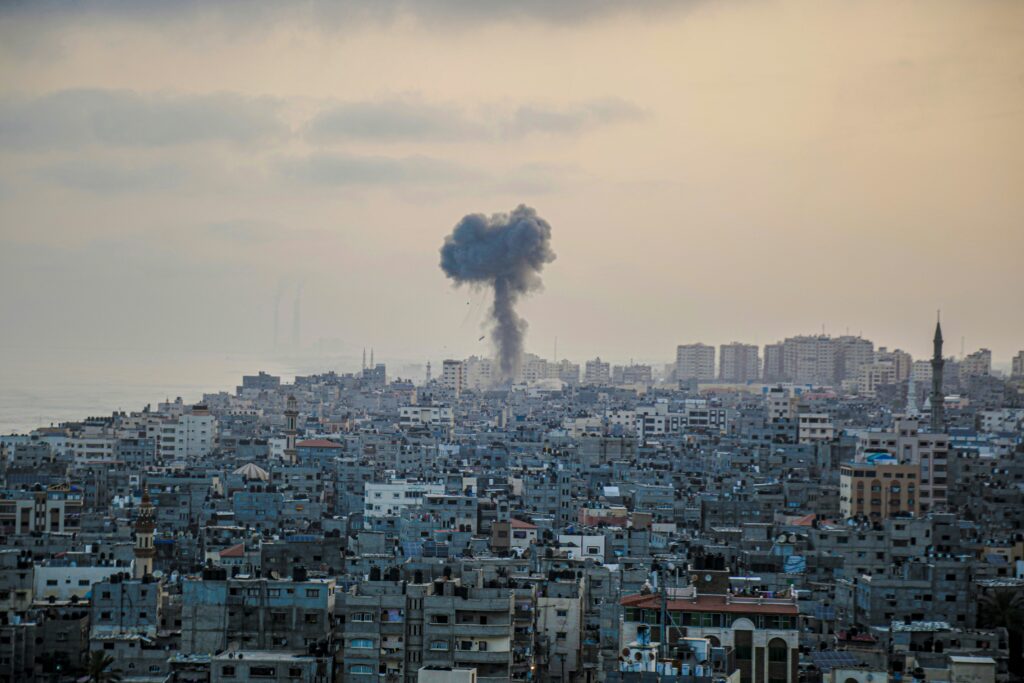
Three top Israeli officials have been specifically named in the report for inciting genocide:
- Yoav Gallant – Former Defense Minister who called Gaza residents “human animals” just two days after the Hamas attack.
- Benjamin Netanyahu – Prime Minister accused of invoking biblical references to Amalek, a call some interpret as justifying total annihilation.
- Isaac Herzog – President who said, “it’s an entire nation out there that is responsible,” suggesting collective punishment.
All three officials could potentially face legal consequences as the International Criminal Court (ICC) and International Court of Justice (ICJ) continue to investigate alleged war crimes.
Legal and Political Implications
Proving genocide under international law is complex. The ICJ typically sets a very high bar for such cases, and South Africa’s ongoing case accusing Israel of genocide could take years to conclude.
Nevertheless, the UN report adds weight to the argument that Israel’s conduct is illegal under international law. Its publication may push more nations to pressure Israel diplomatically, economically, and politically.
Implications for Peace and Future Negotiations
The timing of the report coincides with renewed global calls for a permanent ceasefire and negotiations for a two-state solution. Gulf nations that normalized ties with Israel under the Abraham Accords are facing internal pressure to reconsider their relations.
If more countries recognize Palestinian statehood, Israel could face increasing isolation — both diplomatically and economically. The report could become a turning point in international opinion, much like the apartheid-era campaigns that pressured South Africa decades ago.
Conclusion
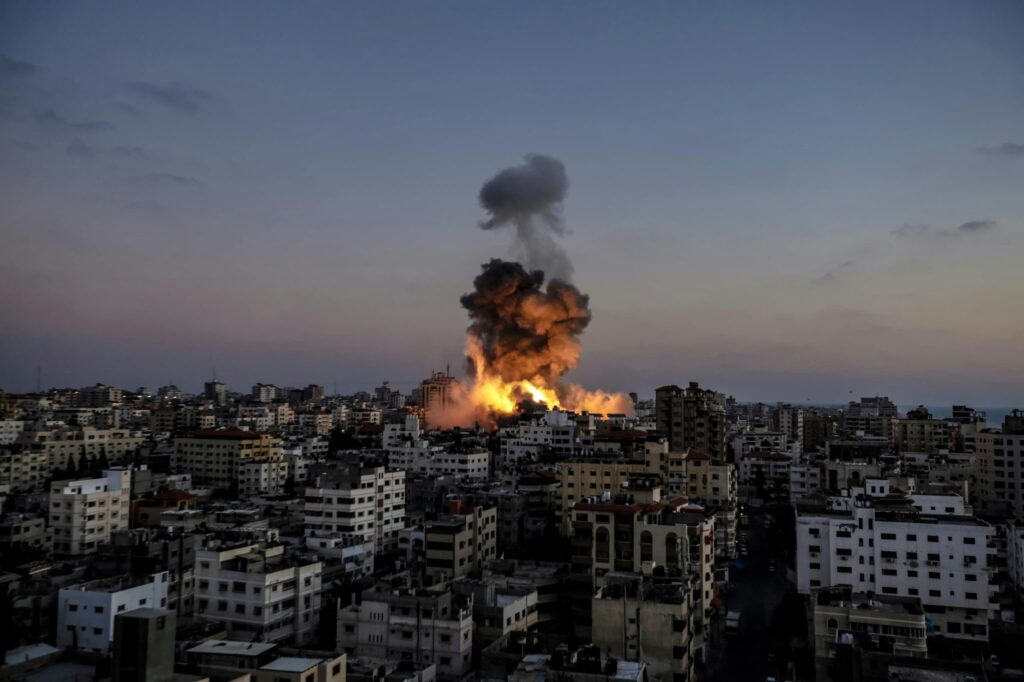
The UN genocide report Israel Gaza has intensified scrutiny of Israel’s military actions and brought the humanitarian crisis in Gaza to the forefront of global discourse. While Israel continues to deny wrongdoing, the mounting evidence, international pressure, and legal investigations are reshaping the narrative around the conflict.
As the war continues, the world will be watching how Israel, its allies, and the Palestinian leadership respond to the growing demand for accountability and justice.